








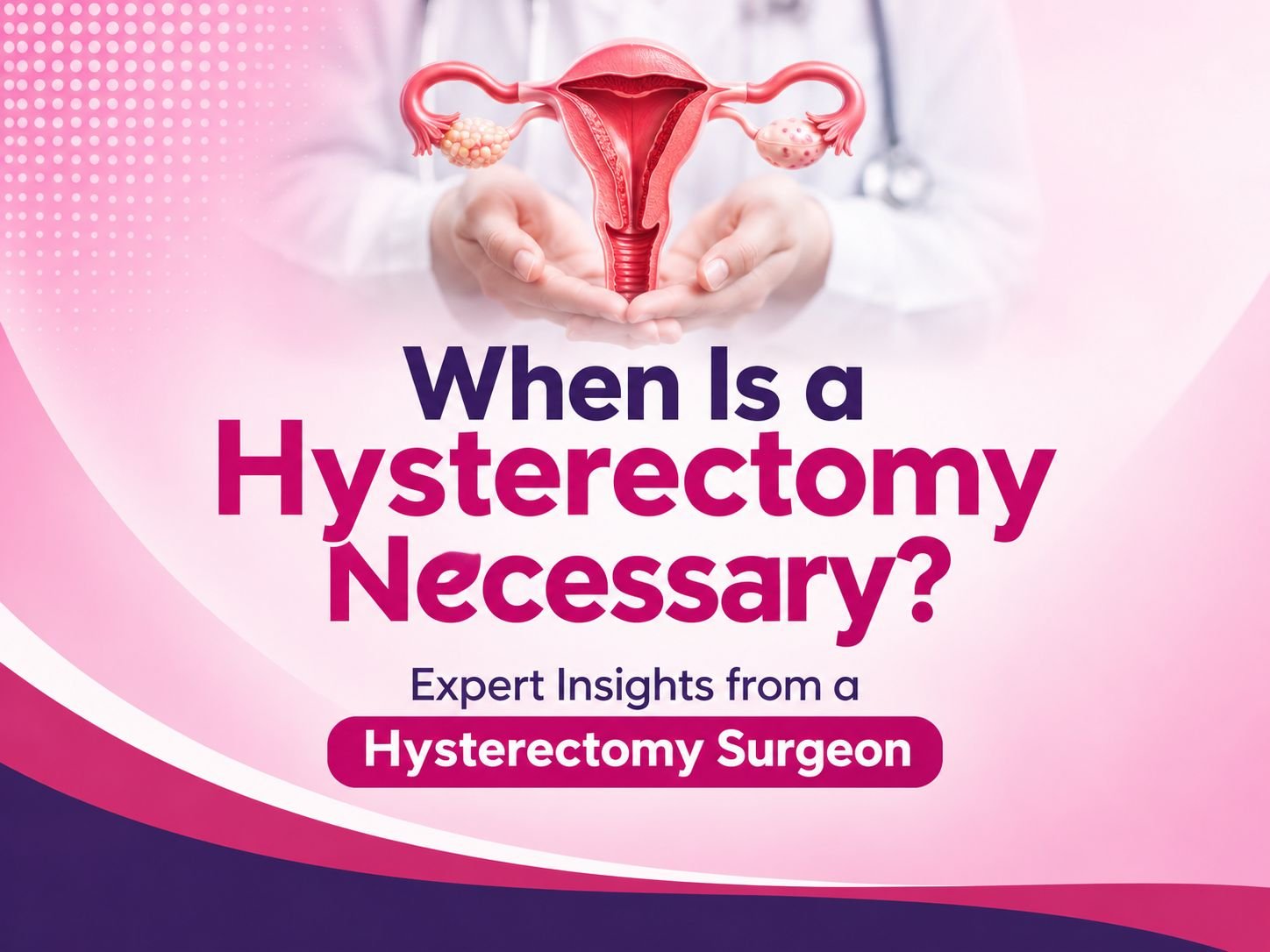
When Is a Hysterectomy Necessary? Expert Insights from a Hysterectomy Surgeon
Women’s health concerns can sometimes become complex, especially when symptoms such as heavy menstrual bleeding, chronic pelvic pain, or large fibroids begin affecting daily life. While many gynecological conditions can be managed with medications or minimally invasive treatments, there are situations where a hysterectomy becomes the safest and most effective solution.
If you have been advised to undergo this procedure, understanding why it is recommended can help you make an informed decision. Dr. Neelima Kulshrestha, recognized by many patients as one of the Best hysterectomy surgeon in Sector 47 Gurgaon, believes that every woman deserves personalized care, clear communication, and treatment based on her individual health needs.
What Is a Hysterectomy?
A hysterectomy is a surgical procedure to remove the uterus. Depending on the medical condition, the surgery may also involve removing the cervix, ovaries, or fallopian tubes.
After a hysterectomy:
- Menstrual periods stop permanently.
- Pregnancy is no longer possible.
- Many women experience significant relief from symptoms that have affected their quality of life.
The type of hysterectomy recommended depends on your diagnosis, age, medical history, and future health considerations.
When Is a Hysterectomy Necessary?
A hysterectomy is usually recommended only after careful evaluation. Your gynecologist will first consider conservative treatments whenever appropriate.
Common conditions that may require surgery include:
1. Large or Symptomatic Uterine Fibroids
Fibroids are non-cancerous growths in the uterus that may cause:
- Heavy menstrual bleeding
- Pelvic pressure
- Frequent urination
- Severe menstrual cramps
- Back pain
When fibroids become large or symptoms significantly affect daily life and other treatments fail, hysterectomy may provide permanent relief.
2. Abnormal Uterine Bleeding
Excessive or prolonged menstrual bleeding can lead to:
- Fatigue
- Iron-deficiency anemia
- Weakness
- Reduced quality of life
If medications, hormonal therapy, or minor procedures do not control the bleeding, hysterectomy may be recommended.
3. Adenomyosis
Adenomyosis occurs when the uterine lining grows into the muscular wall of the uterus.
Common symptoms include:
- Painful periods
- Heavy bleeding
- Chronic pelvic pain
- Enlarged uterus
For women with severe symptoms who have completed their family, hysterectomy often provides long-term relief.
4. Endometriosis
In advanced cases of endometriosis, tissue similar to the uterine lining grows outside the uterus, causing:
- Severe pelvic pain
- Pain during intercourse
- Painful periods
- Infertility
When conservative treatments no longer provide relief, surgery may become necessary.
5. Uterine Prolapse
Weak pelvic muscles can allow the uterus to descend into the vaginal canal.
Symptoms include:
- Pelvic heaviness
- Difficulty walking comfortably
- Urinary problems
- Feeling of a bulge in the vagina
Moderate to severe prolapse may require hysterectomy along with pelvic floor repair.
6. Gynecological Cancer
A hysterectomy is an important treatment for certain cancers, including:
- Uterine cancer
- Cervical cancer
- Ovarian cancer (in selected cases)
- Precancerous conditions
The exact procedure depends on the stage and type of cancer.
Signs You Should See a Gynecologist
Do not ignore persistent symptoms such as:
- Heavy menstrual bleeding
- Bleeding after menopause
- Severe pelvic pain
- Pain during intercourse
- Large fibroids
- Persistent bloating
- Chronic lower abdominal pain
- Recurrent anemia due to heavy periods
Early evaluation often leads to more treatment options.
Is Hysterectomy Always the First Choice?
No.
An experienced gynecologist always considers less invasive treatments first, including:
- Medications
- Hormonal therapy
- Intrauterine devices (IUDs)
- Fibroid removal (myomectomy)
- Endometrial ablation
- Laparoscopic procedures
A hysterectomy is generally recommended only when these options are ineffective, unsuitable, or when surgery offers the safest long-term outcome.
Types of Hysterectomy
Depending on your condition, your surgeon may recommend:
Total Hysterectomy
Removal of the uterus and cervix.
Partial (Supracervical) Hysterectomy
Only the upper portion of the uterus is removed, leaving the cervix intact.
Radical Hysterectomy
Performed mainly for certain cancers and involves removal of additional surrounding tissues.
The surgical approach may be:
- Laparoscopic hysterectomy
- Vaginal hysterectomy
- Robotic-assisted hysterectomy
- Open abdominal hysterectomy
Your surgeon will recommend the safest option based on your diagnosis.
Recovery After a Hysterectomy
Recovery depends on the type of surgery performed.
Most women can expect:
- Walking within 24 hours
- Gradual return to light activities
- Pain managed with prescribed medications
- Follow-up appointments to monitor healing
Minimally invasive procedures generally result in:
- Smaller incisions
- Less pain
- Reduced blood loss
- Faster recovery
- Shorter hospital stay
Following your surgeon’s instructions is essential for a smooth recovery.
Choosing the Right Surgeon Matters
A hysterectomy is a major surgical procedure that requires expertise and careful planning. Choosing an experienced specialist ensures accurate diagnosis, personalized treatment planning, and comprehensive care before, during, and after surgery.
If you are looking for the Best hysterectomy surgeon in Sector 47 Gurgaon, Dr. Neelima Kulshrestha is known for her patient-centered approach, thorough evaluation, and evidence-based treatment recommendations. She focuses on helping women understand all available options before deciding whether surgery is the right choice.
Conclusion
A hysterectomy is not recommended lightly. It is considered when symptoms significantly affect a woman’s health or when other treatments are unlikely to provide lasting relief. Understanding the reasons behind the procedure can help reduce anxiety and empower you to make informed healthcare decisions.
If you are experiencing persistent gynecological symptoms, consult an experienced specialist such as Dr. Neelima Kulshrestha for a comprehensive evaluation. Early diagnosis and timely treatment can improve your quality of life and ensure the best possible outcome.
Frequently Asked Questions (FAQs)
1. Is a hysterectomy a major surgery?
Yes. Although many hysterectomies are now performed using minimally invasive techniques, it is still considered major surgery and should be performed by an experienced gynecologist.
2. How long does recovery take after a hysterectomy?
Recovery varies depending on the surgical approach. Minimally invasive procedures generally allow faster recovery than open surgery.
3. Can fibroids be treated without a hysterectomy?
Yes. Many fibroids can be managed with medication or myomectomy. A hysterectomy is recommended only when other treatments are not suitable or have failed.
4. Will I enter menopause after a hysterectomy?
If the ovaries are removed during surgery, menopause begins immediately. If the ovaries are preserved, menopause usually occurs naturally later.
5. When should I consult a hysterectomy surgeon?
If you have persistent heavy bleeding, chronic pelvic pain, large fibroids, adenomyosis, uterine prolapse, or other ongoing gynecological concerns, seek evaluation from an experienced gynecologist.