








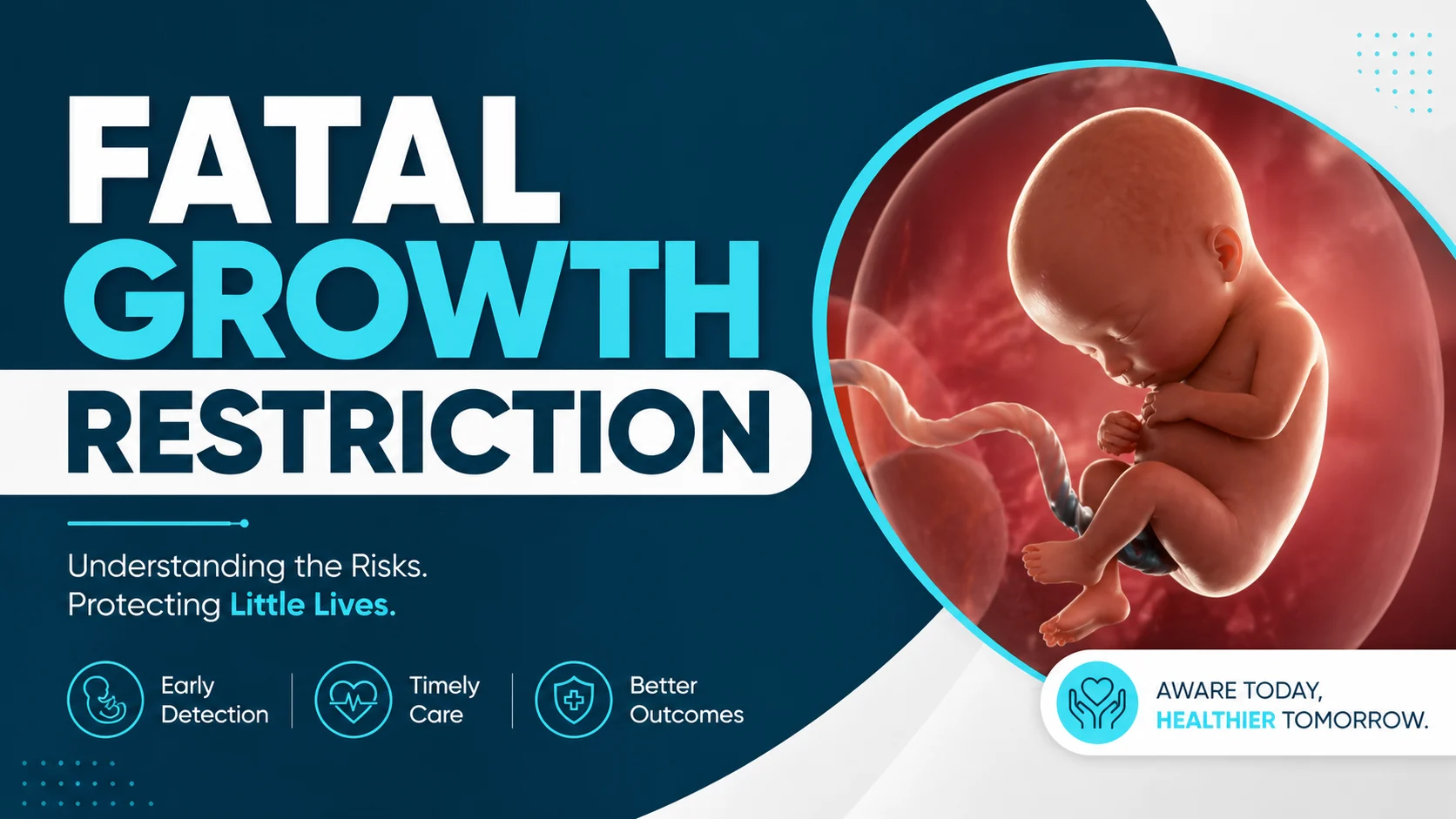
Signs That Might Indicate Fetal Growth Restriction
During pregnancy, your baby’s development is closely linked to healthy fetal growth. Doctors regularly monitor this growth to ensure your baby is developing as expected for each stage.
Sometimes, however, a baby may grow slower than normal. This condition is known as Fetal Growth Restriction (FGR). While it can sound concerning, early detection and proper care can significantly improve outcomes.
Understanding the signs and knowing when to seek medical advice can help you feel more confident and prepared throughout your pregnancy journey.
What is Fetal Growth Restriction (FGR)?
Fetal Growth Restriction (FGR) refers to a condition where a baby is smaller than expected for its gestational age. It usually means the baby is not receiving enough nutrients or oxygen for optimal growth.
FGR vs Low Birth Weight
- FGR: Growth problem during pregnancy
- Low birth weight: Outcome at birth (may or may not be due to FGR)
Common Causes
- Problems with the placenta (reduced blood flow)
- Maternal conditions like high blood pressure or diabetes
- Poor nutrition or lifestyle factors
- Infections or genetic factors
Identifying the cause helps doctors plan the right care and monitoring strategy.
Signs That Might Indicate Fetal Growth Restriction
FGR may not always show obvious symptoms, which is why regular check-ups are important. However, certain signs can raise suspicion:
- Smaller-than-expected baby size
Measured through fundal height (belly size during pregnancy) - Reduced fetal movements
If you notice fewer kicks or movements than usual - Abnormal ultrasound findings
Scans may show slower growth or smaller measurements - Low amniotic fluid levels
Reduced fluid around the baby can indicate growth concerns - Maternal health conditions
Conditions like high blood pressure or diabetes can affect fetal growth
If any of these signs are noticed, doctors may recommend further monitoring.
Why Early Detection of Fetal Growth Issues Matters
Timely identification of problems related to fetal growth is essential for a safe pregnancy.
If left unmonitored, FGR may increase the risk of:
- Preterm birth
- Low oxygen levels for the baby
- Complications during delivery
The good news is that with early detection and proper medical care, many pregnancies with FGR can be managed safely.
Regular antenatal visits play a key role in identifying these concerns early.
How is Fetal Growth Monitored?
Doctors use several methods to track fetal growth throughout pregnancy:
1. Ultrasound Scans
These help measure the baby’s size, weight, and development over time.
2. Doppler Studies
Special scans that check blood flow between the placenta and baby.
3. Fundal Height Measurement
A simple clinical method where the doctor measures the abdomen to assess growth.
These tools together provide a clear picture of how your baby is progressing.
Expert Care Matters
When it comes to monitoring fetal growth, expert guidance is essential.

Dr Neelima Kulshrestha
MBBS, DNB (Obs & Gynae)
Director – Obstetrician and Gynaecology
Cloudnine Hospital
Dr Neelima Kulshrestha is known for her expertise in managing both routine and high-risk pregnancies. Her approach focuses on careful monitoring, timely intervention, and clear communication with patients.
With extensive experience in handling complex pregnancy cases, she ensures that both mother and baby receive the best possible care.
Choosing the Right Gynaecologist and Hospital
Selecting the right healthcare provider is crucial for managing pregnancy concerns like FGR.
If you are searching for a gynaecologist in sector 49 Gurgaon, it’s important to choose someone experienced in handling high-risk pregnancies.
Similarly, consulting a gynaecologist in Cloudnine Hospital, Sector 47 Gurgaon offers several advantages:
- Access to advanced diagnostic technology
- Availability of specialized maternal and fetal care
- Comprehensive support under one roof
A well-equipped hospital combined with an experienced doctor can make a significant difference in pregnancy outcomes.
When to Consult a Doctor
You should reach out to your doctor if you notice:
- Decreased baby movements
- Unusual symptoms or discomfort
- Concerns about your baby’s growth
Even if everything seems normal, regular antenatal check-ups are essential to ensure healthy fetal growth.
Conclusion
Healthy fetal growth is a key indicator of your baby’s well-being during pregnancy. While Fetal Growth Restriction can sound worrying, it is manageable with timely diagnosis and proper care.
Staying aware of potential signs, attending regular check-ups, and consulting experienced specialists can help ensure a safe and healthy pregnancy.
If you have concerns about your baby’s growth, consulting an expert like Dr Neelima Kulshrestha at Cloudnine Hospital can provide reassurance, clarity, and the right care for you and your baby.
Your journey to motherhood deserves the best support-stay informed, stay confident, and seek expert guidance when needed.