








Posterior Placenta: Myths and Facts You Should Know
During pregnancy, the placenta plays a vital role in supporting your baby’s growth. It supplies oxygen, nutrients, and removes waste-essentially acting as your baby’s lifeline.
One common term many expecting mothers hear during ultrasound scans is posterior placenta. While it may sound technical or concerning, it is actually a normal and healthy placental position in most pregnancies.
Understanding what it means-and what it doesn’t-can help ease anxiety and build confidence during your pregnancy journey.
What is a Posterior Placenta?
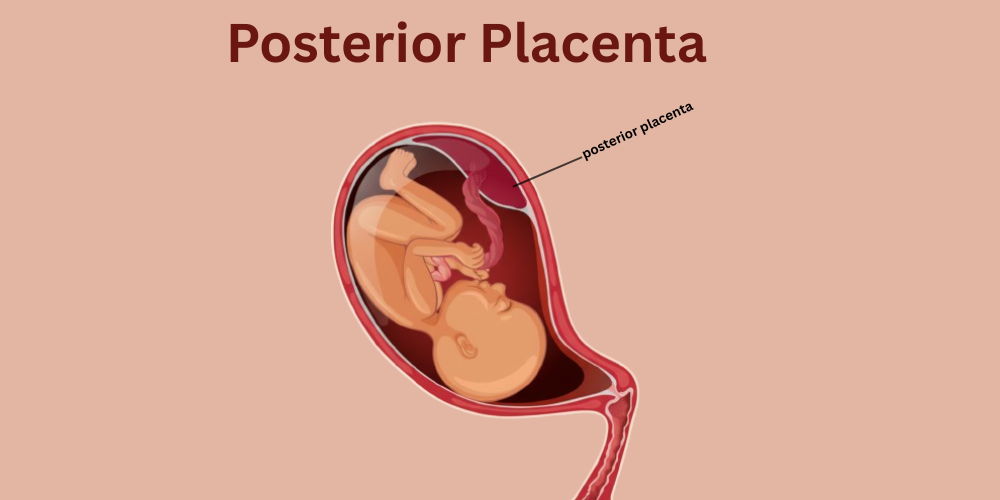
A posterior placenta means that the placenta is attached to the back wall of the uterus (towards your spine).
How is it different from an anterior placenta?
- Posterior placenta: Located at the back of the uterus
- Anterior placenta: Located at the front, near the abdomen
Both positions are generally normal. The placenta can attach in different areas depending on where the fertilized egg implants.
Is Posterior Placenta Normal?
Yes, a posterior placenta is completely normal and commonly seen in healthy pregnancies.
In fact, many doctors consider it a favorable position because:
- It allows clearer detection of fetal movements
- It does not interfere with most delivery processes
However, like any pregnancy-related condition, regular monitoring is important. You should consult a doctor if you experience unusual symptoms like bleeding, severe pain, or reduced fetal movement.
Read Also: Why Do Repeated Miscarriages Happen?
Common Myths About Posterior Placenta
There are several misconceptions surrounding posterior placenta. Let’s break them down:
Myth vs Fact
- Myth: Posterior placenta causes complications in delivery
Fact: It is a normal position and usually does not affect delivery. - Myth: It affects baby’s growth
Fact: Placental position does not determine baby’s growth; overall placental health does. - Myth: It increases chances of C-section
Fact: Delivery method depends on multiple factors, not placental position alone. - Myth: It causes more pain during pregnancy
Fact: Pain levels vary from person to person and are not linked to placenta position.
Understanding these facts can help reduce unnecessary worry and confusion.
Facts You Should Know
Here are some important facts about posterior placenta:
- It is one of the most common and natural placental positions
- Mothers may feel baby movements earlier and more clearly compared to anterior placenta
- It generally supports a smooth pregnancy and normal delivery
- It does not restrict the baby’s growth or development
In most cases, a posterior placenta is simply noted during scans and does not require special treatment.
When Should You Be Concerned?
While a posterior placenta itself is not a concern, certain symptoms during pregnancy should never be ignored:
- Vaginal bleeding
- Severe abdominal pain
- Sudden decrease in baby’s movements
- Persistent discomfort or unusual symptoms
These signs may not be related to placental position but still require prompt medical attention.
Expert Insight
According to Dr Neelima Kulshrestha,
MBBS, DNB (Obs & Gynae), Director – Obstetrician and Gynaecology at Cloudnine Hospital:
“A posterior placenta is a completely normal finding in pregnancy scans. What matters most is the overall health of the mother and baby, along with regular monitoring and timely checkups.”
With extensive experience in pregnancy and women’s health, she emphasizes the importance of clear communication and reassurance for expecting mothers.
Importance of Consulting the Right Gynaecologist
Pregnancy is a journey where expert guidance makes all the difference. Choosing the right specialist ensures accurate information, timely care, and peace of mind.
If you are looking for a Gynaecologist in Sector 47 Gurgaon, consulting an experienced doctor can help you understand your reports and make informed decisions.
A trusted Gynaecologist in Cloudnine Hospital provides:
- Personalized pregnancy care
- Advanced diagnostic support
- Continuous monitoring for mother and baby
- Guidance tailored to your individual needs
Having the right support system ensures that even common findings like posterior placenta are explained clearly and managed appropriately.
Conclusion
A posterior placenta is a normal and healthy part of many pregnancies. While myths and misconceptions can create unnecessary stress, understanding the facts helps you stay informed and confident.
The key to a smooth pregnancy lies in regular checkups, awareness, and expert guidance.
If you have questions or concerns about your pregnancy, consulting an experienced specialist like Dr Neelima Kulshrestha at Cloudnine Hospital can provide clarity, reassurance, and the care you deserve.
Your pregnancy journey is unique-having the right information and the right doctor by your side can make it truly positive and empowering.