








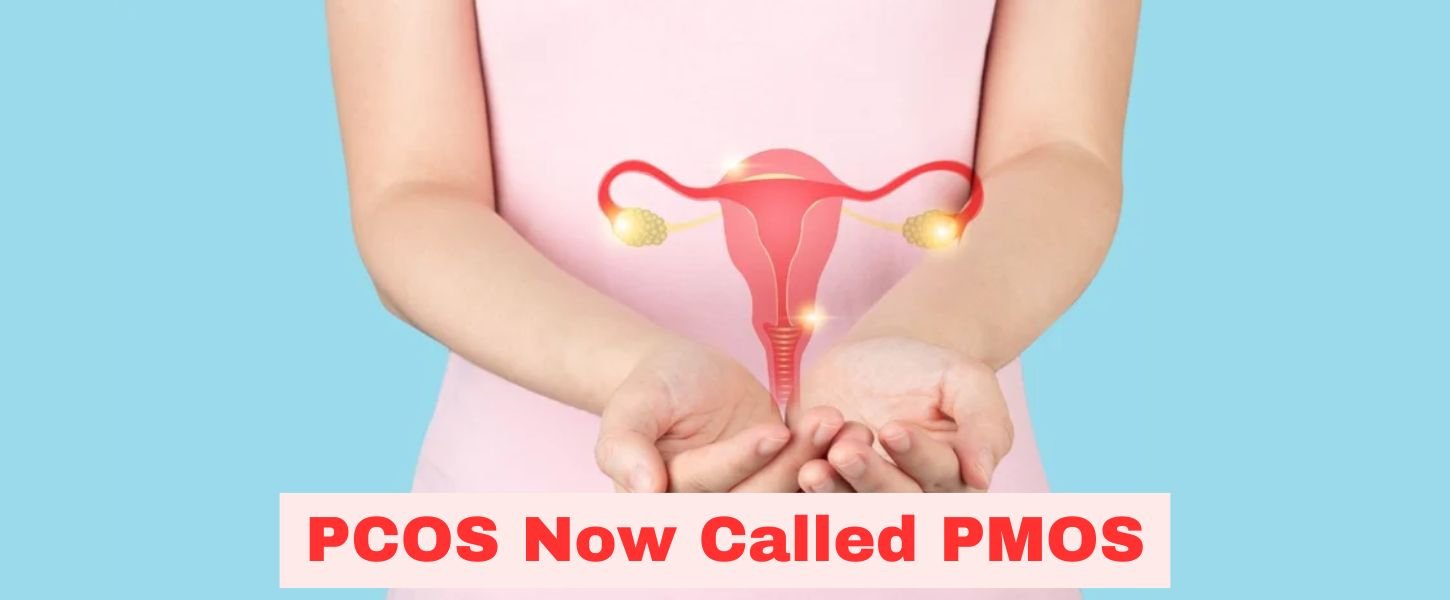
PCOS is being renamed to PMOS globally – What Women Need to Know
Introduction
For years, women diagnosed with PCOS often believed they only had a “cyst problem” related to the ovaries. However, ongoing research has shown that the condition is far more complex and affects hormones, metabolism, fertility, and long-term health.
In a major clinical update, global experts are increasingly referring to PCOS as PMOS – Polyendocrine Metabolic Ovarian Syndrome. The shift reflects a broader understanding of the condition and aims to improve diagnosis, awareness, and treatment outcomes for women worldwide.
This update is important because many women with PCOS symptoms never actually had ovarian cysts. Instead, the condition involves multiple hormonal and metabolic disturbances that can impact overall health.
What is PCOS?
Polycystic Ovary Syndrome, commonly known as PCOS, is one of the most common endocrine disorders in women of reproductive age.
Traditionally, PCOS was associated with:
- Irregular periods
- Acne and excess facial hair
- Weight gain
- Difficulty conceiving
- Ovarian cysts seen on ultrasound
However, doctors and researchers gradually recognized that ovarian cysts were not the central issue in many patients.
The condition actually involves a combination of:
- Hormonal imbalance
- Insulin resistance
- Metabolic dysfunction
- Ovulation problems
- Fertility issues
Why the Name PCOS Was Misleading
The term “Polycystic Ovary Syndrome” often created confusion for patients.
Here’s why:
Many Women Never Had Ovarian Cysts
A significant number of women diagnosed with PCOS do not have multiple cysts in the ovaries. On the other hand, some women may have cyst-like ovaries without having the syndrome itself.
The Condition Is More Than an Ovary Disorder
PCOS affects the entire endocrine and metabolic system. It can influence:
- Blood sugar regulation
- Weight management
- Heart health
- Fertility
- Mental health
- Hormonal balance
Experts felt the old terminology failed to capture the true nature of the disorder.
Clinical Update: PCOS is Now PMOS
Recent international discussions among endocrine specialists and women’s health experts have supported the term PMOS (Polyendocrine Metabolic Ovarian Syndrome) as a more accurate representation of the condition.
According to recent clinical discussions and global health updates, the terminology shift aims to highlight the multisystem nature of the disorder rather than focusing only on ovarian cysts.
The new name emphasizes:
- Multiple hormonal pathways
- Metabolic dysfunction
- Insulin resistance
- Ovarian involvement
- Long-term health risks
This change also helps patients better understand why symptoms can vary significantly from one woman to another.
What Does PMOS Mean?
Polyendocrine
The condition affects multiple hormone-producing glands and systems in the body.
Metabolic
It involves metabolism-related concerns such as insulin resistance, obesity, cholesterol imbalance, and increased diabetes risk.
Ovarian Syndrome
The ovaries are still involved, particularly in ovulation and reproductive health, but they are not the only affected organs.
The term PMOS better reflects the broader impact of the disorder on women’s metabolic health.
What Changed Clinically and Scientifically?
Over the years, researchers discovered that insulin resistance plays a central role in many women with PCOS symptoms.
High insulin levels can trigger excess androgen (male hormone) production, leading to:
- Irregular periods
- Acne
- Hair thinning
- Excess facial hair
- Difficulty ovulating
Research also showed that women with PCOS are at increased risk for:
- Type 2 diabetes
- Fatty liver disease
- High blood pressure
- Sleep apnea
- Infertility
- Anxiety and depression
Because of these findings, international endocrine societies and experts supported terminology updates that better represent the disorder’s metabolic and hormonal complexity.
Symptoms and Health Risks of PMOS
Symptoms can vary widely from person to person.
Common PMOS Symptoms
- Irregular or missed periods
- Excess facial or body hair
- Acne or oily skin
- Weight gain
- Difficulty getting pregnant
- Hair thinning
- Darkening of skin folds
- Fatigue
Long-Term Health Risks
If left unmanaged, PMOS may increase the risk of:
- Insulin resistance
- Type 2 diabetes
- Infertility
- Cardiovascular disease
- Endometrial problems
- Obesity-related complications
This is why early diagnosis and proper management are extremely important.
Does the Treatment Change?
Although the terminology is evolving, the core treatment principles remain similar.
Treatment depends on the woman’s symptoms, age, fertility goals, and metabolic health.
Common Treatment Approaches Include:
Lifestyle Management
- Weight management
- Regular exercise
- Balanced nutrition
- Sleep improvement
- Stress reduction
Medical Treatment
- Hormonal therapy
- Insulin-sensitizing medications
- Ovulation support for fertility
- Acne and hair growth management
The updated term PMOS mainly improves clinical understanding and encourages a more holistic treatment approach.
Why Early Diagnosis Matters
Early diagnosis can help prevent long-term complications and improve quality of life.
Women should not ignore symptoms such as:
- Irregular periods
- Sudden weight gain
- Persistent acne
- Difficulty conceiving
- Excessive hair growth
Timely medical guidance can help manage hormonal imbalance and reduce future metabolic risks.
When to Consult a Gynecologist
Women experiencing symptoms of hormonal imbalance or menstrual irregularities should seek medical evaluation early.
Consulting an experienced gynecologist is important for:
- Accurate diagnosis
- Hormonal assessment
- Fertility planning
- Metabolic screening
- Personalized treatment
If you are looking for a trusted gynecologist in Cloudnine Hospital Gurgaon, Dr. Neelima Kulshrestha offers comprehensive evaluation and evidence-based treatment for women dealing with PMOS, fertility concerns, irregular periods, and endocrine health issues.
FAQs
1. What is the difference between PCOS and PMOS?
PMOS is the newer terminology being used to better describe the metabolic and hormonal nature of the condition previously known as PCOS.
2. Does PMOS always cause ovarian cysts?
No. Many women diagnosed with the condition may not have ovarian cysts at all.
3. Is PMOS a serious health condition?
PMOS can increase the risk of diabetes, infertility, and cardiovascular issues if not managed properly.
4. Can PMOS affect fertility?
Yes. Hormonal imbalance and ovulation problems associated with PMOS can impact fertility, but treatment options are available.
5. Can lifestyle changes help manage PMOS?
Yes. Healthy eating, exercise, weight management, and stress control play a major role in symptom improvement.
Conclusion
The transition from PCOS to PMOS represents an important clinical shift in women’s healthcare. It recognizes that the condition is not just about ovarian cysts but a broader endocrine and metabolic disorder affecting overall health.
Understanding this updated perspective can help women seek earlier diagnosis, better treatment, and long-term preventive care.
For personalized guidance regarding PMOS symptoms, fertility concerns, insulin resistance, or hormonal imbalance, consult Dr Neelima Kulshrestha, an experienced gynecologist in Cloudnine Hospital Gurgaon, for comprehensive women’s healthcare and evidence-based treatment planning.