








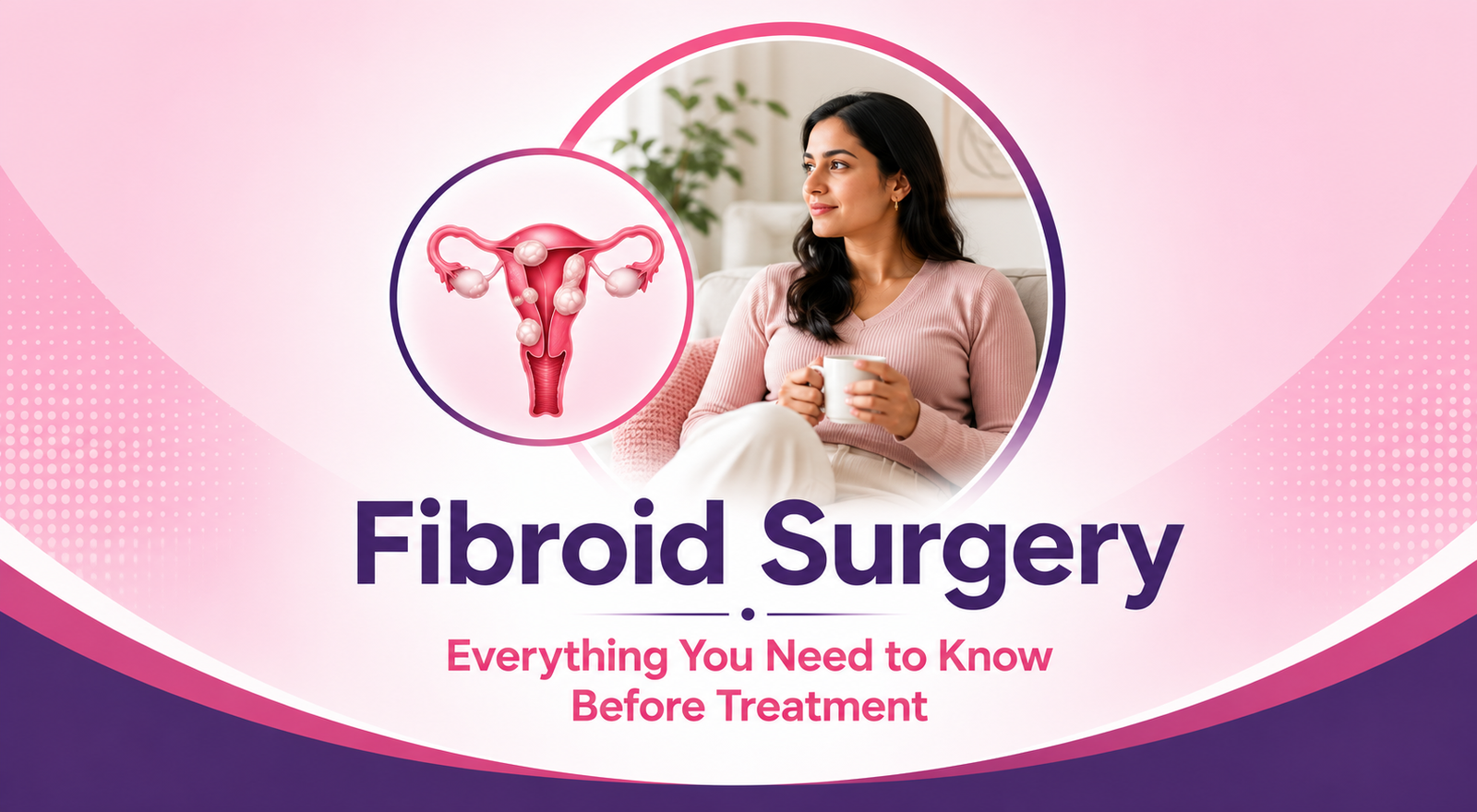
Fibroid Surgery: Everything You Need to Know Before Treatment
Many women experience heavy periods, pelvic pain, or frequent urination without realizing that uterine fibroids could be the reason. While some fibroids do not require treatment, others can affect your daily life, fertility, and overall health. If your doctor has recommended surgery, understanding the procedure can help you feel more confident and prepared.
If you are looking for Fibroid surgery in Sector 47 Gurgaon, choosing an experienced gynecologist and a trusted hospital is an important first step. Dr. Neelima Kulshrestha, practicing at Cloudnine Hospital, Gurgaon, provides personalized care and recommends treatment only when it is truly needed.
What Are Uterine Fibroids?
Uterine fibroids are non-cancerous growths that develop in or around the uterus. They are very common among women, especially during their reproductive years. Fibroids can vary in size. Some are so small they cause no symptoms, while others can grow large enough to create discomfort.
Many women may never know they have fibroids because they often do not cause any problems. However, when symptoms appear, medical evaluation becomes important.
Common Symptoms of Fibroids
Fibroids can cause different symptoms depending on their size and location. Common signs include:
- Heavy or prolonged menstrual bleeding
- Pain or pressure in the lower abdomen
- Frequent need to urinate
- Pain during intercourse
- Lower back pain
- Difficulty becoming pregnant in some cases
- Feeling of fullness in the lower abdomen
If these symptoms continue or interfere with your daily routine, consult a qualified gynecologist for proper diagnosis.
When Is Fibroid Surgery Needed?
Not every fibroid requires surgery. Many women can manage small fibroids through regular monitoring or medication.
Your doctor may recommend surgery if:
- Fibroids cause heavy bleeding that leads to anemia.
- Pain becomes severe or persistent.
- Fibroids continue to grow rapidly.
- The fibroids affect your ability to become pregnant.
- Medicines are not providing enough relief.
- Fibroids interfere with your daily activities and quality of life.
The decision is always based on your symptoms, age, future pregnancy plans, and overall health.
Types of Fibroid Surgery
Your doctor will recommend the most suitable procedure based on your condition.
1. Myomectomy
A myomectomy removes only the fibroids while keeping the uterus intact. This option is often suitable for women who wish to have children in the future.
2. Hysterectomy
A hysterectomy removes the uterus and permanently eliminates fibroids. This option is generally considered when fibroids are very large, multiple, or continue to return after treatment.
3. Minimally Invasive Surgery
Whenever possible, doctors may perform surgery through small cuts instead of one large incision. This approach often results in:
- Less pain after surgery
- Smaller scars
- Faster recovery
- Shorter hospital stay
Your doctor will explain whether you are a suitable candidate for this option.
How to Prepare Before Fibroid Surgery
Proper preparation helps make your surgery safer and your recovery smoother.
Before surgery, your doctor may advise you to:
- Undergo blood tests or imaging scans.
- Share your complete medical history.
- Inform the doctor about all medicines and supplements you take.
- Stop certain medicines if advised.
- Follow fasting instructions before the procedure.
- Arrange for someone to accompany you home after discharge.
Never stop or start medicines without your doctor’s guidance.
What Happens During the Surgery?
The exact procedure depends on the type of surgery being performed.
Generally, the process includes:
- You receive anesthesia so you remain comfortable.
- The surgeon removes the fibroids or uterus, depending on the planned procedure.
- The surgery may take one to several hours depending on the number and size of fibroids.
- After surgery, you are monitored until you are ready to move to your hospital room.
Your doctor will explain every step before the procedure.
Recovery After Fibroid Surgery
Recovery time varies depending on the type of surgery.
Most women can support their recovery by:
- Taking medicines exactly as prescribed.
- Walking gently after the doctor’s approval.
- Avoiding heavy lifting for several weeks.
- Eating nutritious food and staying hydrated.
- Attending all follow-up appointments.
Your doctor will tell you when it is safe to return to work, exercise, and normal daily activities.
Benefits of Fibroid Surgery
Many women notice significant improvement after successful fibroid surgery.
Potential benefits include:
- Relief from heavy bleeding
- Reduced pelvic pain and pressure
- Better quality of life
- Improved energy levels
- Better chances of pregnancy after myomectomy in selected patients
- Reduced discomfort during daily activities
Every patient’s outcome depends on the type of fibroid, overall health, and chosen treatment.
Choosing the Right Specialist
Selecting an experienced gynecologist plays a major role in achieving the best possible outcome. Look for a doctor who carefully evaluates your condition, explains every treatment option, and creates a plan that matches your health goals.
If you are searching for Fibroid surgery in Cloudnine Hospital, Gurgaon, Dr. Neelima Kulshrestha offers compassionate care, detailed evaluation, and personalized treatment for women with uterine fibroids. She believes in recommending surgery only when it is the most appropriate option and ensures that every patient understands the treatment process before moving forward.
Why Choose Dr. Neelima Kulshrestha?
Patients trust Dr. Neelima Kulshrestha because she focuses on:
- Individualized treatment plans
- Thorough patient counseling
- Modern surgical techniques when appropriate
- Clear communication before and after surgery
- Comprehensive women’s healthcare
Women seeking Fibroid surgery in Sector 47 Gurgaon can benefit from expert consultation, accurate diagnosis, and patient-focused care at Cloudnine Hospital, Gurgaon.
Conclusion
Fibroids are common, but they should not prevent you from living a healthy and comfortable life. If your symptoms are affecting your daily routine or your doctor has suggested surgery, learning about the procedure can help you make informed decisions.
The right treatment depends on your symptoms, future pregnancy plans, and overall health. Consulting an experienced specialist like Dr. Neelima Kulshrestha can help you understand your options and choose the treatment that best suits your needs.
Frequently Asked Questions (FAQs)
1. Is fibroid surgery always necessary?
No. Many fibroids do not require surgery. Treatment depends on your symptoms, fibroid size, and overall health.
2. How long does recovery take after fibroid surgery?
Recovery varies depending on the type of surgery. Minimally invasive procedures usually have a shorter recovery period than open surgery.
3. Can I become pregnant after fibroid surgery?
Many women can become pregnant after a myomectomy. Your doctor can guide you based on your individual condition.
4. Is fibroid surgery painful?
You will receive anesthesia during the procedure. Some discomfort after surgery is normal and can usually be managed with prescribed medicines.
5. Will fibroids come back after surgery?
Fibroids can return after a myomectomy in some women. A hysterectomy permanently removes the uterus, so fibroids cannot recur after that procedure.
6. When should I consult a doctor for fibroids?
If you experience heavy bleeding, ongoing pelvic pain, frequent urination, or symptoms that affect your daily life, schedule an evaluation with a gynecologist.
7. Where can I get expert fibroid treatment in Gurgaon?
Women looking for Fibroid surgery in Cloudnine Hospital, Gurgaon or Fibroid surgery in Sector 47 Gurgaon can consult Dr. Neelima Kulshrestha for a comprehensive evaluation and personalized treatment plan.