








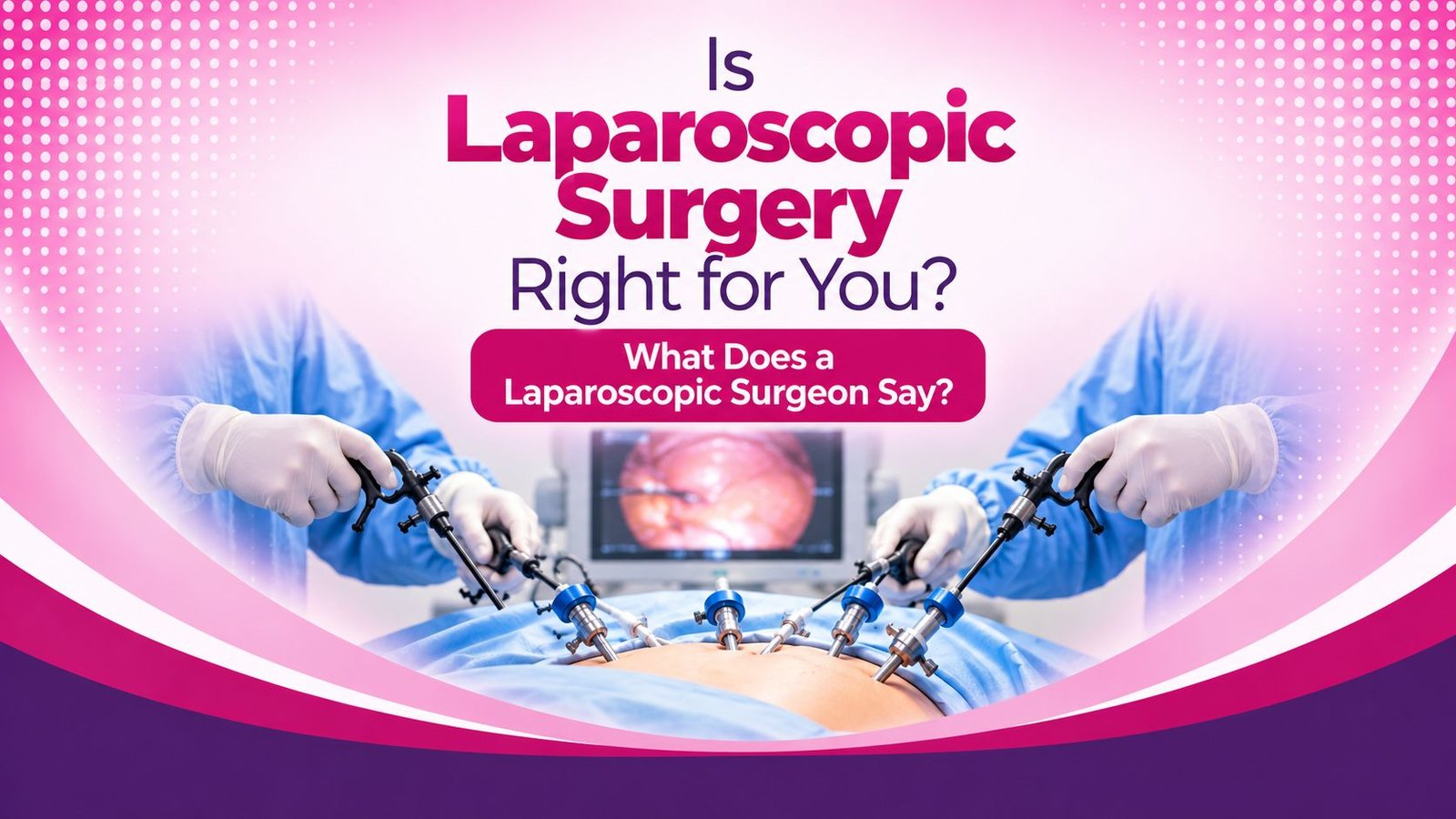
Is Laparoscopic Surgery Right for You? What Does a Laparoscopic Surgeon Say?
When surgery is recommended for a gynaecological condition, many women naturally have questions about pain, recovery time, scars, hospital stay, and the effect of surgery on their daily lives. With advances in minimally invasive techniques, laparoscopic surgery has become an important option for managing several gynaecological conditions.
Unlike traditional open surgery, laparoscopy generally involves making small abdominal incisions through which a camera and specialised surgical instruments are inserted. The exact approach, however, depends on the condition being treated, the patient’s health, previous surgeries, and the surgeon’s assessment.
If you are considering Laparoscopic Surgery in CloudNine Hospital, Gurgaon, understanding how the procedure works, when it may be recommended, and who may be suitable for it can help you have a more informed discussion with your gynaecologist.
Dr. Neelima Kulshrestha is an Obstetrician and Gynaecologist at Cloudnine Hospital, Sector 47, Gurugram. Her official Cloudnine profile lists MBBS and DNB (Obstetrics & Gynaecology) qualifications and experience that includes laparoscopic procedures and women’s reproductive health.
What Is Laparoscopic Surgery?
Laparoscopic surgery is a minimally invasive surgical technique in which a surgeon uses a small camera, called a laparoscope, to view structures inside the abdomen or pelvis.
Instead of making one large incision, the surgeon usually makes small openings through which the camera and surgical instruments are introduced.
A typical laparoscopic procedure may involve:
- Anaesthesia before surgery
- Small abdominal incisions
- Insertion of a laparoscope with a camera
- Use of specialised surgical instruments
- Treatment of the identified condition
- Removal of instruments and closure of the small incisions
The exact technique varies according to the procedure.
Laparoscopy is used in gynaecology for both diagnostic and therapeutic purposes. Cloudnine describes minimally invasive gynaecological surgery as part of its gynaecology services and lists procedures such as laparoscopy, ovarian cyst management, fibroid treatment, and related reproductive-health procedures.
Is Laparoscopic Surgery Right for Everyone?
Not necessarily.
One of the most important things to understand is that minimally invasive surgery is not automatically the appropriate choice for every patient.
Your gynaecologist may consider several factors, including:
- The condition requiring treatment
- Size and location of a cyst or fibroid
- Severity of symptoms
- Previous abdominal or pelvic surgeries
- Existing medical conditions
- Pregnancy status
- Overall health
- Previous treatment
- The complexity of the surgery
- Whether laparoscopic access is technically appropriate
A consultation and appropriate diagnostic evaluation are therefore essential before deciding whether laparoscopy is suitable.
Which Gynaecological Conditions Can Be Treated With Laparoscopy?
Laparoscopic techniques may be used for several gynaecological conditions, depending on the individual case.
Ovarian Cysts
Some ovarian cysts can be monitored without surgery, while others may require surgical treatment.
When surgery is indicated, laparoscopy may be considered depending on the size, appearance, symptoms, and nature of the cyst.
Uterine Fibroids
Fibroids are non-cancerous growths of the uterus that can sometimes cause heavy menstrual bleeding, pelvic pressure, pain, or fertility-related concerns.
In selected patients, laparoscopic procedures may be used to treat certain fibroids.
Endometriosis
Endometriosis can cause pelvic pain, painful periods, pain during intercourse, and fertility difficulties.
Laparoscopy can have an important role in evaluating and treating endometriosis in appropriate cases.
Ectopic Pregnancy
An ectopic pregnancy occurs when a pregnancy develops outside the normal cavity of the uterus, most commonly in a fallopian tube.
Depending on the clinical situation, laparoscopic surgery may be used to treat an ectopic pregnancy.
Tubal and Pelvic Conditions
Laparoscopy may also be used to evaluate or treat certain problems involving the fallopian tubes, ovaries, pelvis, or reproductive organs.
The appropriate treatment depends on the diagnosis and individual circumstances.
What Are the Potential Benefits of Laparoscopic Surgery?
One reason minimally invasive surgery is considered in suitable cases is that it can offer several potential advantages compared with traditional open surgery.
These may include:
Smaller Incisions
Laparoscopic procedures generally use smaller incisions than conventional open abdominal surgery.
Less Visible Scarring
Because the incisions are smaller, scars may be less noticeable after healing. However, scar appearance varies between individuals.
Potentially Less Postoperative Pain
Smaller incisions may result in less discomfort for some patients compared with larger abdominal incisions.
Shorter Hospital Stay in Some Cases
Depending on the procedure and the patient’s recovery, laparoscopic surgery may allow a shorter hospital stay than some open procedures.
Faster Return to Normal Activities
Some patients may return to routine activities sooner after minimally invasive surgery, although recovery varies significantly according to the procedure and individual health.
It is important not to assume that every laparoscopic procedure has the same recovery timeline.
What Does a Laparoscopic Surgeon Consider Before Surgery?
Before recommending laparoscopic surgery, a gynaecologist needs to understand the patient’s overall clinical picture.
This may include:
Medical History
Your doctor may ask about previous surgeries, medical conditions, medications, allergies, menstrual history, pregnancies, and previous treatments.
Symptoms
Details such as pain, abnormal bleeding, pressure symptoms, infertility concerns, or changes in menstrual cycles can help guide diagnosis.
Imaging and Tests
Depending on the suspected condition, your doctor may recommend tests such as ultrasound, blood tests, MRI, or other investigations.
Previous Surgeries
Previous abdominal or pelvic operations can sometimes affect the complexity of laparoscopic surgery because of scar tissue or adhesions.
Future Fertility Plans
For women who want to become pregnant, fertility considerations may be an important part of treatment planning.
The surgical approach should therefore be based on the individual rather than simply choosing laparoscopy because it is minimally invasive.
What Happens During a Laparoscopic Procedure?
The details vary depending on the surgery, but the general process involves several stages.
Step 1: Anaesthesia
Laparoscopic surgery is commonly performed under general anaesthesia, although the specific anaesthetic plan depends on the procedure and the patient’s circumstances.
Step 2: Small Incisions
The surgeon creates small openings in the abdominal area.
Step 3: Camera Insertion
A laparoscope is inserted to provide a magnified view of the abdominal or pelvic structures.
Step 4: Surgical Treatment
Specialised instruments are used to perform the required procedure.
Step 5: Completion and Closure
The instruments are removed and the small incisions are closed.
The procedure may take different amounts of time depending on its complexity.
Is Laparoscopic Surgery Painful?
Laparoscopic surgery is performed under anaesthesia, so you should not feel the surgical procedure itself.
After surgery, some discomfort is expected. Patients may experience:
- Abdominal soreness
- Mild incision pain
- Bloating
- Temporary fatigue
- Shoulder-tip discomfort caused by the gas used during some laparoscopic procedures
The intensity and duration of discomfort vary from patient to patient.
Your medical team can provide appropriate pain-management advice and instructions for recovery.
How Long Does Recovery Take?
There is no universal recovery timeline for laparoscopic surgery.
Recovery depends on:
- Type of surgery
- Complexity of the procedure
- Patient’s overall health
- Whether complications occur
- Previous surgeries
- Individual healing response
Some minimally invasive procedures may allow patients to return to everyday activities relatively quickly, while more complex operations require a longer recovery period.
Your surgeon should provide procedure-specific guidance rather than relying on a general timeline.
What Should You Expect After Laparoscopic Surgery?
Following surgery, your medical team will provide instructions regarding wound care, medications, physical activity, bathing, diet, and follow-up appointments.
You may be advised to:
- Take prescribed medications as directed
- Keep incision sites clean and dry as instructed
- Avoid strenuous activity until cleared
- Attend follow-up appointments
- Monitor for unusual symptoms
- Contact the medical team if you have concerns
Do not compare your recovery with someone else’s. Two people undergoing the same operation can recover at different rates.
What Are the Risks of Laparoscopic Surgery?
Although laparoscopy is minimally invasive, it is still surgery and carries potential risks.
Depending on the procedure, risks may include:
- Bleeding
- Infection
- Injury to surrounding organs
- Anaesthesia-related complications
- Blood clots
- Formation of adhesions
- Need to convert to open surgery in certain situations
- Procedure-specific complications
Your surgeon should explain the risks relevant to your specific operation before you provide consent.
The fact that a procedure is laparoscopic does not mean that complications are impossible.
Can Laparoscopic Surgery Affect Fertility?
The answer depends on the underlying condition and the type of surgery.
Some gynaecological conditions, such as endometriosis, fibroids, ovarian cysts, or tubal problems, may themselves affect fertility. In selected cases, treating the underlying condition may be part of fertility management.
However, surgery can also have risks, particularly when reproductive organs are involved.
If you are planning a pregnancy, tell your gynaecologist before surgery. Fertility goals should be considered while deciding the most appropriate treatment approach.
Laparoscopic Surgery vs Open Surgery
The choice between laparoscopic and open surgery depends on the individual clinical situation.
| Factor | Laparoscopic Surgery | Open Surgery |
|---|---|---|
| Incision size | Usually smaller | Usually larger |
| Scarring | Often less noticeable | May be more noticeable |
| Recovery | May be shorter for suitable procedures | Can require longer recovery |
| Hospital stay | May be shorter in selected cases | May be longer depending on surgery |
| Surgical access | Through camera and small instruments | Through a larger incision |
| Suitability | Depends on condition and patient | May be preferred for certain complex cases |
This comparison does not mean laparoscopy is always better. Some conditions may require open surgery, and sometimes a laparoscopic procedure may need to be converted to open surgery for safety.
How Do You Know if You Are a Good Candidate?
The best way to determine whether you are suitable for laparoscopic surgery is through an individual consultation.
You may be considered for laparoscopic treatment when:
- Your condition can be safely treated using minimally invasive techniques.
- Your general health permits surgery.
- Appropriate diagnostic tests support the treatment approach.
- The surgeon believes laparoscopic access is technically appropriate.
- The expected benefits outweigh the potential risks.
However, these factors are not a checklist for self-diagnosis. Your gynaecologist must assess your individual circumstances.
Questions to Ask Your Laparoscopic Surgeon
Before agreeing to surgery, consider asking:
- Why do I need surgery?
- Is laparoscopic surgery suitable for my condition?
- What alternatives are available?
- What are the expected benefits?
- What are the potential risks?
- How long will the procedure take?
- How long might recovery take?
- Will the surgery affect my fertility?
- Could the procedure need to be converted to open surgery?
- What should I expect during follow-up?
A good consultation should give you enough information to make an informed decision.
Why Does the Surgeon’s Experience Matter?
Laparoscopic surgery requires specialised skills, equipment, and careful surgical planning.
When choosing a surgeon, patients may want to understand the doctor’s relevant qualifications, experience, the types of procedures they perform, and where the surgery will take place.
Dr. Neelima Kulshrestha is listed by Cloudnine as an Obstetrician and Gynaecologist with MBBS and DNB (Obs & Gynae) qualifications. Cloudnine’s profile also describes her clinical practice as including advanced fertility treatments and laparoscopic procedures.
Cloudnine’s Gurugram gynaecology services include minimally invasive procedures, and its official materials describe laparoscopic surgery as part of its gynaecological care.
Is Laparoscopic Surgery Always Better Than Traditional Surgery?
Not necessarily.
The goal of surgery should be safe and appropriate treatment—not simply choosing the procedure with the smallest incision.
For some patients, laparoscopy may offer advantages. For others, open surgery may be more appropriate because of the nature or complexity of the condition.
A qualified gynaecologist should explain the available approaches and why one may be recommended in your particular case.
When Should You Seek a Gynaecological Consultation?
Consider consulting a gynaecologist if you experience symptoms such as:
- Persistent pelvic pain
- Very heavy or irregular periods
- Painful periods
- Recurrent pelvic discomfort
- Symptoms associated with ovarian cysts or fibroids
- Endometriosis-related symptoms
- Fertility concerns
- Abnormal bleeding
- A condition for which surgery has already been recommended
Early evaluation can help identify the underlying cause and allow treatment options to be discussed.
Frequently Asked Questions
Is laparoscopic surgery safer than open surgery?
Laparoscopic surgery can offer benefits associated with smaller incisions in appropriately selected patients, but it is still a surgical procedure with potential risks. The safest approach depends on the patient’s condition, health, and the complexity of the operation.
How many days does it take to recover from laparoscopic surgery?
Recovery varies according to the procedure. Some patients recover relatively quickly, while more complex laparoscopic operations require additional time. Your surgeon can provide a personalised recovery estimate.
Can laparoscopic surgery remove ovarian cysts?
Yes, laparoscopic surgery may be used to remove certain ovarian cysts when surgery is considered appropriate. The decision depends on factors such as cyst characteristics, symptoms, size, and the patient’s individual circumstances.
Is laparoscopic surgery suitable for endometriosis?
Laparoscopy can be used to diagnose and treat endometriosis in appropriate cases. The extent and location of endometriosis influence the surgical approach.
Does laparoscopic surgery leave scars?
Laparoscopic surgery usually involves small abdominal incisions, so scars are generally smaller than those associated with many open procedures. Scar appearance varies from person to person.
Can I get pregnant after laparoscopic surgery?
Pregnancy after laparoscopy depends on the condition being treated, the type of surgery, fertility factors, and individual circumstances. If future pregnancy is important to you, discuss your fertility plans with your gynaecologist before surgery.
What if laparoscopic surgery is not suitable for me?
Your doctor can discuss alternatives, which may include medication, monitoring, another minimally invasive approach, or open surgery, depending on the diagnosis.
Final Thoughts
Laparoscopic surgery can be an important minimally invasive option for managing several gynaecological conditions, but it is not automatically the right choice for every woman.
The decision should be based on your diagnosis, symptoms, overall health, previous medical and surgical history, fertility goals, and the complexity of the proposed procedure.
If you are considering Laparoscopic Surgery in CloudNine Hospital, Gurgaon, a detailed consultation with a qualified gynaecologist can help you understand whether minimally invasive surgery is appropriate for you and what to expect before, during, and after treatment.
Dr. Neelima Kulshrestha is listed at Cloudnine Hospital, Sector 47, Gurugram, as an Obstetrician and Gynaecologist with experience that includes laparoscopic procedures and women’s reproductive health.
The right surgical decision is ultimately an individual one. Understanding your diagnosis, treatment choices, potential benefits, risks, and recovery expectations can help you approach that decision with greater clarity and confidence.