







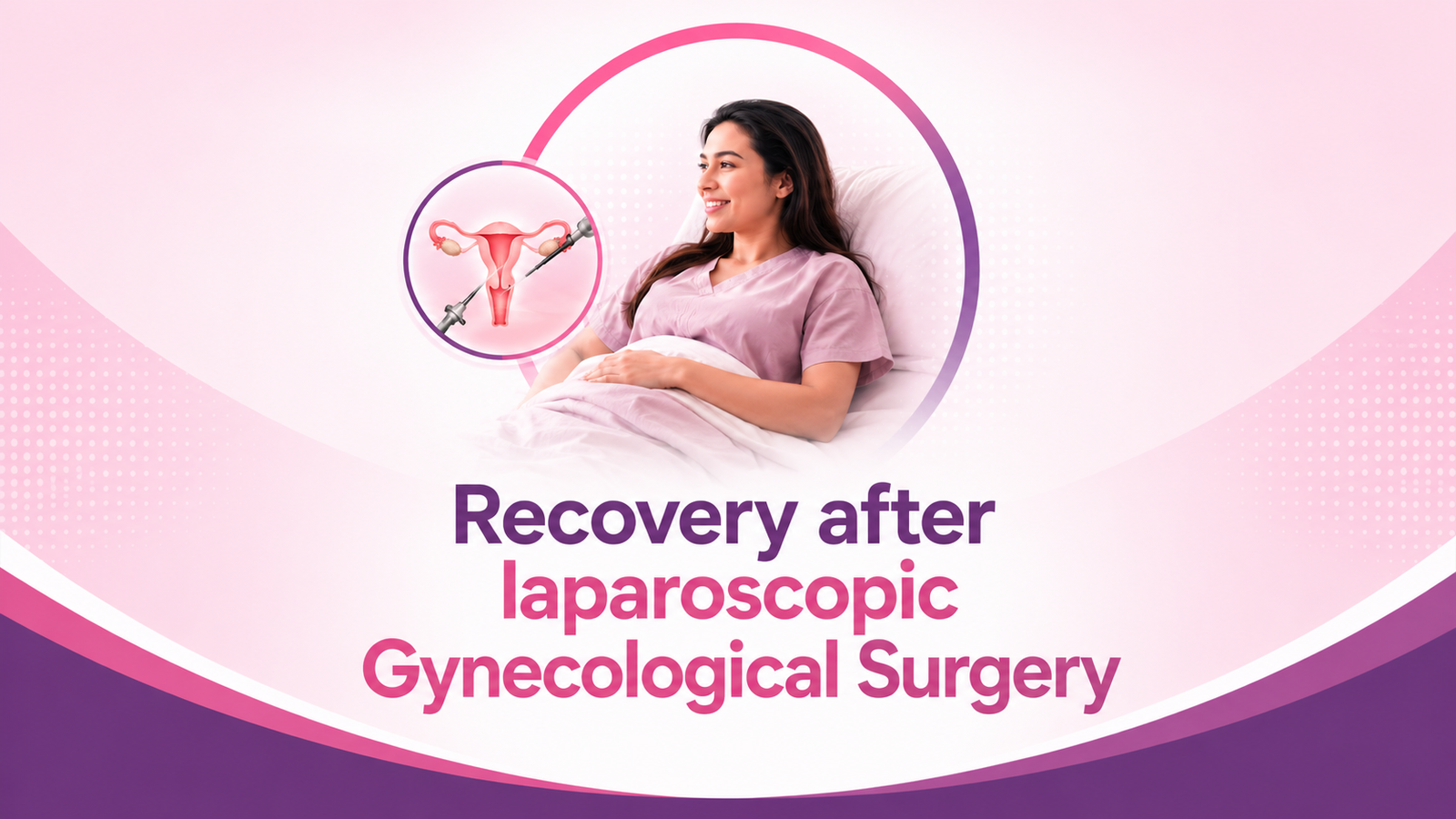
Recovery After Laparoscopic Gynecological Surgery: What to Expect
Advances in medical technology have made laparoscopic procedures a preferred option for many gynecological conditions. Compared to traditional open surgery, laparoscopy offers smaller incisions, less pain, shorter hospital stays, and faster healing. However, understanding Recovery After Laparoscopic Gynecological Surgery is important for ensuring a smooth and comfortable return to daily life.
Whether you are undergoing surgery for ovarian cysts, fibroids, endometriosis, ectopic pregnancy, or hysterectomy, knowing what to expect during recovery can help reduce anxiety and promote better healing.
What Is Laparoscopic Gynecological Surgery?
Laparoscopic gynecological surgery is a minimally invasive procedure performed using a thin camera called a laparoscope and specialized surgical instruments inserted through small incisions in the abdomen. This technique allows surgeons to diagnose and treat various gynecological conditions with minimal disruption to surrounding tissues.
Because of its minimally invasive nature, Recovery After Laparoscopic Gynecological Surgery is generally quicker than recovery from conventional open surgery.
What to Expect Immediately After Surgery
After the procedure, you will be monitored in a recovery room until the effects of anesthesia wear off. Most patients experience:
- Mild abdominal discomfort
- Drowsiness from anesthesia
- Shoulder pain caused by residual carbon dioxide gas used during surgery
- Mild nausea
- Fatigue
These symptoms are usually temporary and improve within a few days.
The First Few Days of Recovery
The initial phase of Recovery After Laparoscopic Gynecological Surgery typically involves rest and gradual return to routine activities.
Pain and Discomfort
Mild to moderate pain around the incision sites is common. Your doctor may prescribe pain-relieving medications to keep you comfortable. Walking short distances can also help reduce gas-related discomfort and improve circulation.
Incision Care
The small incisions should be kept clean and dry. Follow your doctor’s instructions regarding bathing, dressing changes, and wound care. Avoid applying creams or ointments unless advised.
Diet and Hydration
Start with light meals and gradually return to your normal diet. Drinking plenty of water and consuming fiber-rich foods can help prevent constipation, which is common after surgery.
Recovery Timeline
While every woman heals differently, the general timeline for Recovery After Laparoscopic Gynecological Surgeryincludes:
Week 1
- Mild pain and fatigue
- Light walking encouraged
- Limited physical activity
- Gradual improvement in energy levels
Week 2–3
- Reduced discomfort
- Return to light household activities
- Most women feel significantly better
- Incisions continue healing
Week 4–6
- Resume normal daily activities
- Return to work depending on the nature of the job
- Gradual return to exercise after medical clearance
Your recovery period may vary depending on the type and complexity of the surgery.
Activities to Avoid During Recovery
To support successful Recovery After Laparoscopic Gynecological Surgery, avoid:
- Heavy lifting
- Strenuous exercise
- Sexual intercourse until approved by your doctor
- Smoking and alcohol consumption
- Ignoring signs of infection or complications
Following post-operative instructions carefully can help prevent unnecessary setbacks.
Warning Signs to Watch For
Although complications are uncommon, contact your healthcare provider immediately if you experience:
- Fever above 100.4°F (38°C)
- Heavy vaginal bleeding
- Severe abdominal pain
- Redness or discharge from incision sites
- Persistent nausea or vomiting
- Difficulty breathing
- Pain or swelling in the legs
Prompt medical attention can help address complications before they become serious.
Tips for a Smooth Recovery
To optimize Recovery After Laparoscopic Gynecological Surgery, consider the following:
- Take medications exactly as prescribed
- Get adequate rest
- Stay hydrated
- Eat nutritious meals rich in protein and vitamins
- Walk regularly to improve circulation
- Attend all follow-up appointments
Maintaining a healthy lifestyle can significantly enhance the healing process.
Expert Gynecological Care in Gurgaon
Successful surgery and recovery begin with choosing an experienced specialist. Dr. Neelima Kulshrestha, MBBS, DNB (Obstetrics & Gynecology), is a highly respected Obstetrician and Gynecologist with 29 years of clinical experience.
As Director, Department of Obstetrics & Gynecology at Cloudnine Hospitals, she specializes in advanced gynecological care and minimally invasive procedures. Women seeking a trusted Gynecologist in Cloudnine Hospital Gurgaon, experienced Gynecologist in Sector 47 Gurgaon, or skilled laparoscopic Surgeon in Cloudnine Hospital Gurgaon can benefit from her extensive expertise and patient-focused approach.
Conclusion
Understanding Recovery After Laparoscopic Gynecological Surgery helps women prepare for the healing process and recognize what is normal during recovery. While most patients recover faster than with traditional surgery, proper rest, wound care, nutrition, and follow-up visits remain essential. If you have concerns during recovery, consult your gynecologist promptly to ensure the best possible outcome.