








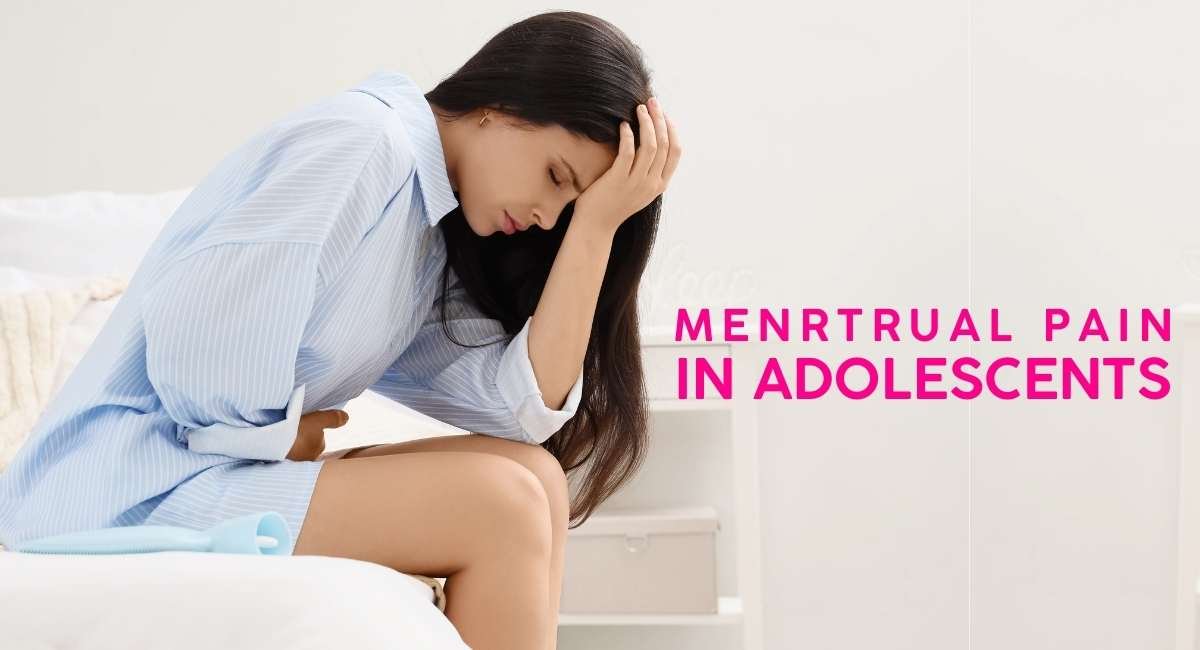
Menstrual Pain (Dysmenorrhea) in Adolescents – Causes & Relief Tips
Menstruation is a natural part of growing up. However, for many teen girls, periods can be accompanied by intense cramps, fatigue, nausea, and mood changes. Menstrual Pain in Adolescents, also known as dysmenorrhea, is one of the most common reasons for school absenteeism and reduced daily activity among teenage girls.
Understanding why this pain occurs and how to manage it effectively can make a significant difference in a young girl’s physical and emotional well-being.
What is Menstrual Pain in Adolescents?
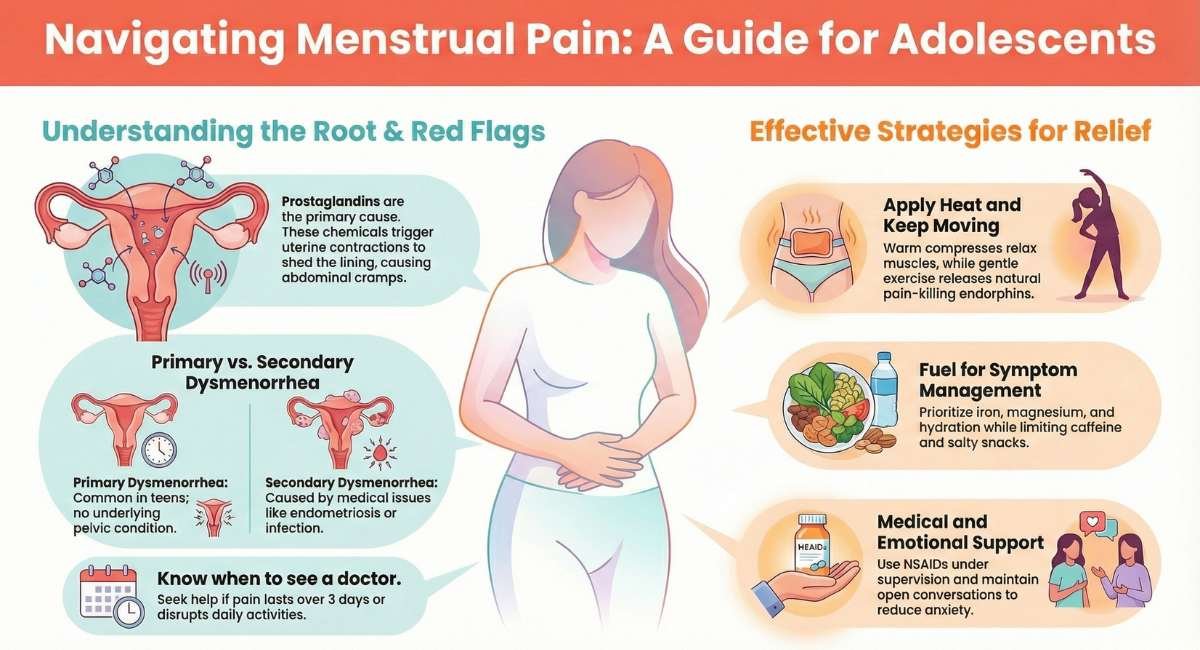
Menstrual Pain in Adolescents refers to cramping pain in the lower abdomen that occurs just before or during menstruation. The pain may also radiate to the lower back or thighs. It is typically caused by uterine contractions triggered by hormone-like substances called prostaglandins.
There are two main types:
- Primary Dysmenorrhea – Common in teens, not associated with any underlying pelvic condition.
- Secondary Dysmenorrhea – Caused by an underlying medical issue such as endometriosis or pelvic infections (less common in younger adolescents but possible).
Causes of Menstrual Pain in Adolescents
The most common cause of Menstrual Pain in Adolescents is the release of excess prostaglandins. These chemicals make the uterus contract more strongly to shed its lining, resulting in cramps.
Other contributing factors include:
- Early onset of menstruation (before age 12)
- Heavy menstrual flow
- Irregular cycles
- Hormonal imbalances
- Stress and lack of sleep
- Family history of painful periods
In some cases, persistent or worsening pain may indicate conditions like endometriosis, fibroids, or pelvic inflammatory disease. Early evaluation by a qualified specialist is important if symptoms are severe.
Common Symptoms
Teen girls experiencing Menstrual Pain in Adolescents may report:
- Lower abdominal cramping
- Backache
- Nausea or vomiting
- Diarrhea
- Headache
- Fatigue
- Irritability or mood swings
Mild discomfort is normal. However, pain that disrupts school, sports, or daily activities should not be ignored.
When Should You See a Doctor?
Occasional cramps are common. But medical attention is necessary if:
- Pain lasts more than 2–3 days
- Over-the-counter pain relief does not help
- Periods are extremely heavy
- There is sudden worsening of pain
- Symptoms begin after years of painless cycles
Consulting an experienced Dr Neelima Kulshrestha, a trusted gynaecologist in sector 49 Gurgaon, can help identify the root cause and offer personalized treatment.
“Menstrual pain should never be normalized if it interferes with a teenager’s daily life. Early guidance and simple lifestyle changes can significantly reduce discomfort and prevent complications later,” says Dr Neelima Kulshrestha
Effective Relief Tips for Menstrual Pain in Adolescents
Managing Menstrual Pain in Adolescents involves a combination of lifestyle care and medical guidance.
1. Heat Therapy
Applying a heating pad or warm compress to the lower abdomen helps relax uterine muscles and improves blood flow, reducing cramps naturally.
2. Gentle Exercise
Light physical activity such as walking, yoga, or stretching releases endorphins-the body’s natural painkillers. Regular exercise can reduce the severity of future cramps.
3. Balanced Diet
Encourage a diet rich in:
- Iron (green leafy vegetables, lentils)
- Magnesium (nuts, seeds)
- Omega-3 fatty acids (flaxseeds, walnuts)
- Fresh fruits and whole grains
Limiting caffeine, salty snacks, and processed foods may help reduce bloating and discomfort.
4. Hydration
Drinking enough water helps prevent bloating and supports overall hormonal balance.
5. Adequate Sleep
Sleep plays a crucial role in pain regulation and hormonal stability. Teenagers should aim for 7 to 9 hours per night.
6. Safe Use of Pain Relievers
Non-steroidal anti-inflammatory drugs (NSAIDs) such as ibuprofen may be recommended under medical supervision. These medicines reduce prostaglandin levels and ease cramps effectively when taken correctly.
7. Hormonal Therapy (If Required)
In cases of severe or persistent Menstrual Pain in Adolescents, doctors may recommend hormonal treatments to regulate cycles and reduce pain intensity.
Emotional Support Matters
Adolescence is already a sensitive stage of life. Period pain combined with academic pressure and social expectations can be overwhelming. Open conversations at home and school can help reduce stigma and anxiety.
Parents should reassure teens that seeking medical advice is normal and responsible. Early consultation with a qualified Gynaecologist in Sector 49 Gurgaon ensures accurate diagnosis and appropriate care.
Long-Term Outlook
The good news is that for many girls, Menstrual Pain in Adolescents improves with age. As hormonal cycles stabilize, symptoms often become milder. However, ongoing severe pain should always be evaluated to rule out underlying conditions.
Ignoring persistent symptoms can delay diagnosis of treatable issues such as endometriosis. Early management not only improves comfort but also supports reproductive health in adulthood.
Conclusion
Menstrual Pain in Adolescents is common, but it should not control a teenager’s life. With the right lifestyle habits, medical support, and awareness, most young girls can manage their symptoms effectively and confidently.
If period pain is affecting daily activities, school attendance, or emotional health, seeking guidance from an experienced specialist like Dr Neelima Kulshrestha, a reliable Gynaecologist in Sector 49 Gurgaon, can provide clarity, reassurance, and effective treatment.