







Uterine Fibroids: Causes, Symptoms, Treatment Options, and Post-Operative Care
Heavy periods, pelvic pressure, and unexplained anemia are symptoms many women silently tolerate. In several cases, the underlying cause is Uterine Fibroids, a common yet often misunderstood condition affecting women during their reproductive years.
The good news? Most fibroids are non-cancerous and manageable with the right medical guidance. Early diagnosis and personalized care can significantly improve quality of life.
What Are Uterine Fibroids?
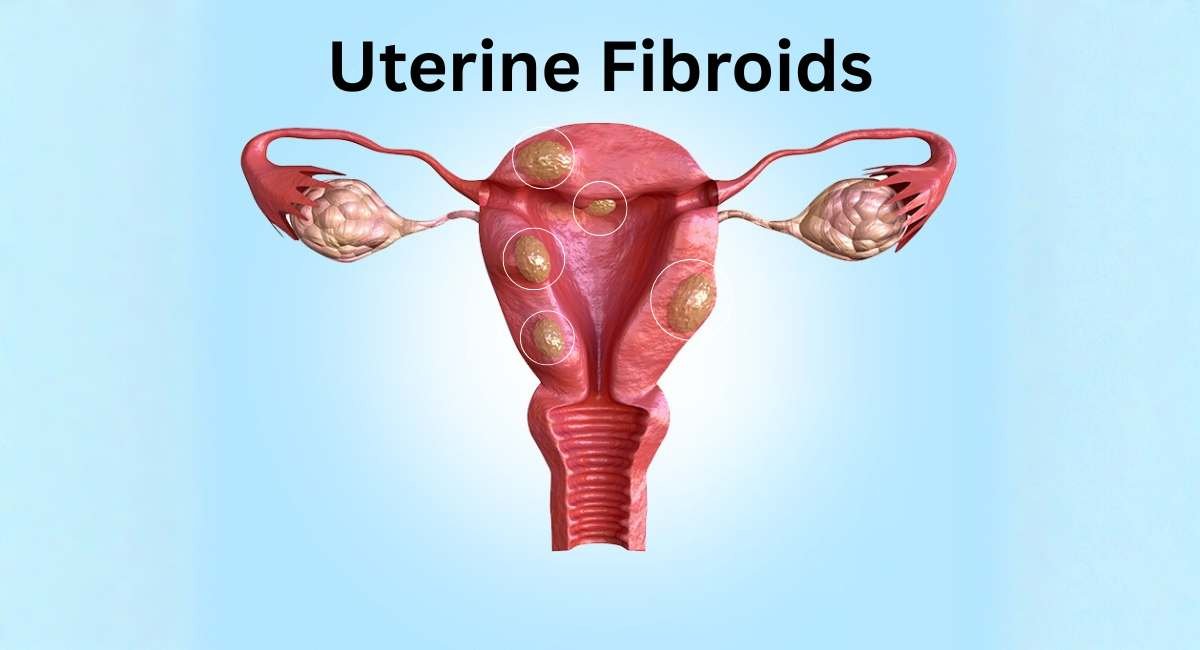
Uterine Fibroids are non-cancerous growths that develop in or around the uterus. They are made of muscle and fibrous tissue and can vary in size-from tiny, undetectable nodules to large masses that enlarge the uterus.
Fibroids may grow:
- Within the uterine wall (intramural)
- Inside the uterine cavity (submucosal)
- On the outer surface of the uterus (subserosal)
Some women may have a single fibroid, while others may develop multiple growths.
“Fibroids are common, especially in women aged 30-45. However, symptoms and treatment needs vary from patient to patient,” explains Dr Neelima Kulshrestha, an experienced gynecologist in Gurgaon.
Causes of Uterine Fibroids
The exact cause of Uterine Fibroids is not fully understood, but several factors contribute:
- Hormonal influence (estrogen and progesterone)
- Genetic predisposition
- Family history of fibroids
- Early onset of menstruation
- Obesity
- Vitamin D deficiency
Fibroids tend to grow during reproductive years and may shrink after menopause due to reduced hormone levels.
Symptoms of Uterine Fibroids
Some women with Uterine Fibroids experience no symptoms. However, when symptoms appear, they may include:
- Heavy or prolonged menstrual bleeding
- Pelvic pain or pressure
- Frequent urination
- Constipation
- Lower back pain
- Pain during intercourse
- Difficulty conceiving
Severe bleeding can lead to anemia, causing fatigue and weakness.
Women experiencing persistent symptoms should seek evaluation for proper Uterine Fibroids treatment in Sector 49 Gurgaon to prevent complications.
How Are Uterine Fibroids Diagnosed?
Diagnosis usually involves:
- Detailed medical history
- Pelvic examination
- Ultrasound imaging
- MRI (if needed for surgical planning)
Imaging helps determine the size, number, and location of fibroids, which guides treatment decisions.
Uterine Fibroids Treatment in Sector 49 Gurgaon
Treatment depends on age, symptom severity, fibroid size, and future pregnancy plans. Not all Uterine Fibroids require surgery.
1. Watchful Monitoring
Small, asymptomatic fibroids may only need regular follow-up.
2. Medical Management
Medications may help:
- Control heavy bleeding
- Reduce pain
- Temporarily shrink fibroids
Hormonal therapy may be recommended based on individual needs.
3. Minimally Invasive Surgery
When symptoms are severe or fertility is affected, surgery may be necessary.
Laparoscopic Myomectomy
This minimally invasive procedure removes fibroids while preserving the uterus. Consulting a skilled laparoscopic surgeon in Sector 49 Gurgaon ensures precision, minimal scarring, and faster recovery.
Hysterectomy
In cases where childbearing is complete and fibroids are large or recurrent, removal of the uterus may be advised.
Dr Neelima Kulshrestha emphasizes that surgical decisions are always personalized after detailed consultation.
“The goal is to relieve symptoms while preserving fertility whenever possible. Minimally invasive approaches have transformed fibroid treatment outcomes,” she notes.
Post-Operative Care After Fibroid Surgery
Recovery plays a crucial role in successful Uterine Fibroids treatment outcomes.
Immediate Recovery
- Hospital stay is usually short for laparoscopic procedures
- Mild abdominal discomfort is expected
- Early walking is encouraged to prevent complications
At-Home Care
- Avoid heavy lifting for 4-6 weeks
- Maintain a balanced diet rich in iron and protein
- Keep surgical wounds clean and dry
- Attend scheduled follow-up visits
Full recovery time depends on the procedure performed and individual health.
Can Uterine Fibroids Affect Fertility?
Certain types of Uterine Fibroids, especially submucosal fibroids, may interfere with implantation or increase miscarriage risk. Timely evaluation and treatment improve reproductive outcomes.
Women planning pregnancy should discuss fertility-preserving options with their gynecologist before choosing treatment.
When Should You See a Doctor?
Consult a specialist if you experience:
- Excessive menstrual bleeding
- Pelvic pressure affecting daily activities
- Persistent abdominal bloating
- Recurrent miscarriages
- Unexplained anemia
Early consultation for Uterine Fibroids treatment in Sector 49 Gurgaon helps prevent worsening symptoms and supports better long-term health.
Final Thoughts
Uterine Fibroids are common, manageable, and treatable with modern medical advancements. Awareness, early diagnosis, and expert guidance are key to avoiding complications.
If you are experiencing symptoms or have concerns about fibroids, consult an experienced gynecologist. Under the care of Dr Neelima Kulshrestha, women receive personalized evaluation, advanced laparoscopic solutions, and comprehensive post-operative support for safe and effective outcomes.