









Why Do Repeated Miscarriages Happen?
Experiencing a miscarriage can be emotionally overwhelming. When it happens more than once, the pain can feel even deeper-bringing confusion, fear, and countless unanswered questions. If you or someone you know is going through this, it’s important to understand that you are not alone.
Medically, miscarriages are more common than many people realize. Studies suggest that about 10-20% of known pregnancies end in miscarriage, most often in early pregnancy. Understanding the causes of miscarriage, especially repeated ones, can help guide proper diagnosis and treatment.
What is Recurrent Miscarriage?
Recurrent miscarriage, also known as recurrent pregnancy loss, is defined as having two or more consecutive pregnancy losses before 20 weeks of gestation.
While this condition can feel distressing, identifying the underlying causes of repeated miscarriage often helps in planning a successful future pregnancy.
Main Causes of Repeated Miscarriage
Understanding the causes of miscarriage is key to finding the right treatment. Below are the most common medical reasons:
1. Chromosomal Abnormalities
One of the leading miscarriage reasons in early pregnancy is genetic abnormalities in the embryo. These occur when the embryo has missing or extra chromosomes, preventing normal development.
- Often random and not inherited
- More common with increasing maternal age
- Usually occurs in the first trimester
2. Hormonal Imbalances
Hormones play a crucial role in maintaining pregnancy. Any imbalance can increase the risk of miscarriage.
- Low progesterone levels: Affects implantation and pregnancy support
- Thyroid disorders: Both hypothyroidism and hyperthyroidism can contribute
- PCOS (Polycystic Ovary Syndrome): Linked with hormonal irregularities
3. Uterine Abnormalities
Structural issues in the uterus can interfere with implantation or fetal growth.
- Uterine septum (a partition inside the uterus)
- Fibroids or polyps
- Abnormal uterine shape
These conditions are often correctable with medical or surgical treatment.
4. Autoimmune Conditions
Certain immune disorders can mistakenly attack the developing pregnancy.
- Antiphospholipid Syndrome (APS) is a well-known cause
- Leads to blood clot formation, affecting placenta function
This is a significant yet treatable cause of recurrent pregnancy loss.
5. Lifestyle Factors
Your lifestyle choices can also influence pregnancy outcomes.
- Smoking or alcohol use
- Obesity or being underweight
- High stress levels
- Excess caffeine intake
Making positive lifestyle changes can significantly reduce the risk.
6. Infections
Though less common, certain infections can contribute to miscarriage.
- Untreated urinary or reproductive tract infections
- TORCH infections (like rubella, toxoplasmosis)
Early detection and treatment are essential.
When Should You See a Doctor?
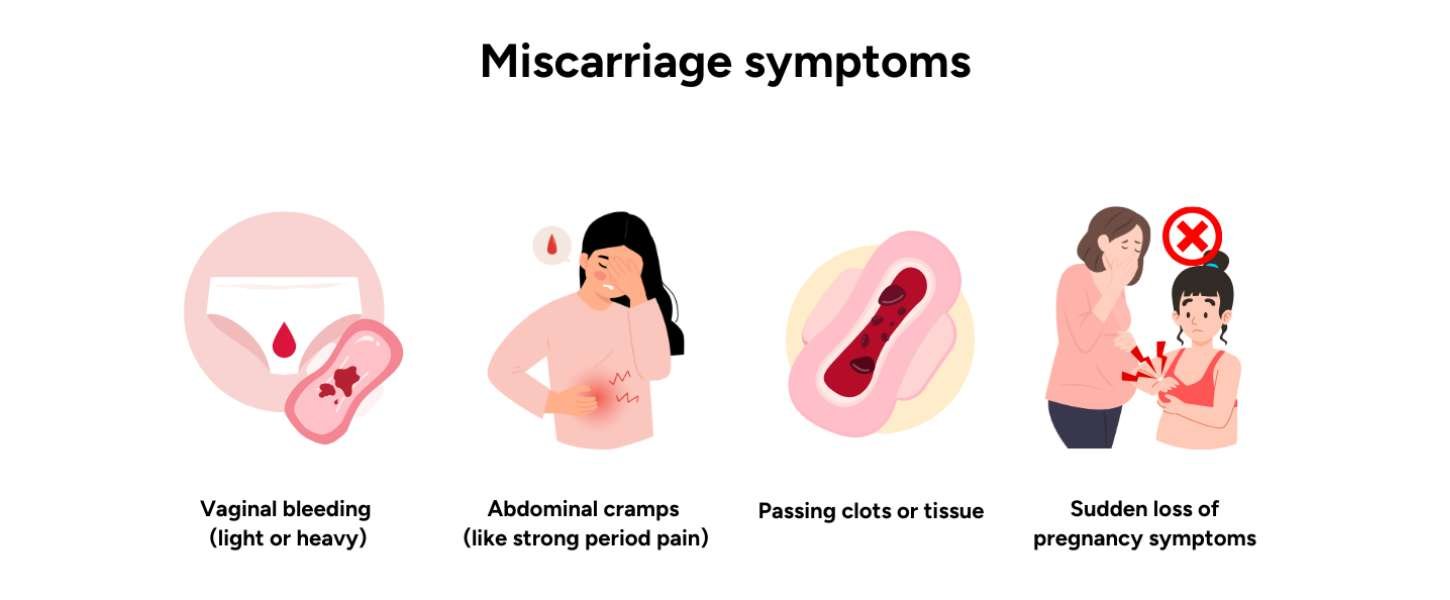
If you have had two or more miscarriages, it’s important to consult a specialist. Early evaluation helps identify possible causes and prevents further losses.
You should also seek medical advice if you experience:
- Irregular menstrual cycles
- Known hormonal disorders
- Difficulty conceiving
Diagnosis & Tests
To determine the causes of repeated miscarriage, your doctor may recommend:
- Blood tests: To check hormone levels and autoimmune markers
- Genetic testing: For both partners
- Ultrasound scans: To evaluate uterine structure
- Hysteroscopy: For detailed uterine examination
These tests help create a personalized treatment plan.
Treatment & Solutions
Treatment depends on the underlying cause:
- Hormonal support: Progesterone supplements
- Thyroid management: Medication to regulate levels
- Surgical correction: For uterine abnormalities
- Blood thinners: For autoimmune conditions like APS
- Lifestyle modifications: Diet, exercise, stress reduction
In some cases, assisted reproductive techniques like IVF with genetic screening may be recommended.
Can You Have a Healthy Pregnancy After Repeated Miscarriages?
Yes-this is one of the most important things to understand.
Even after recurrent pregnancy loss, many women go on to have healthy pregnancies. With the right diagnosis and care, success rates improve significantly.
Studies suggest that with appropriate treatment, over 60-70% of women with recurrent miscarriages can achieve a successful pregnancy.
Conclusion
Repeated miscarriages can be emotionally and physically exhausting, but understanding the causes of miscarriage is the first step toward hope and healing. With proper medical guidance, timely diagnosis, and supportive care, many couples can overcome this challenge.
If you are facing recurrent pregnancy loss, don’t hesitate to seek expert care. You deserve answers, support, and the chance to experience a healthy pregnancy.
Sources
- World Health Organization (WHO) – Pregnancy and Miscarriage Guidelines
- Mayo Clinic – Miscarriage Overview
- National Health Service (NHS) – Miscarriage Causes and Treatment