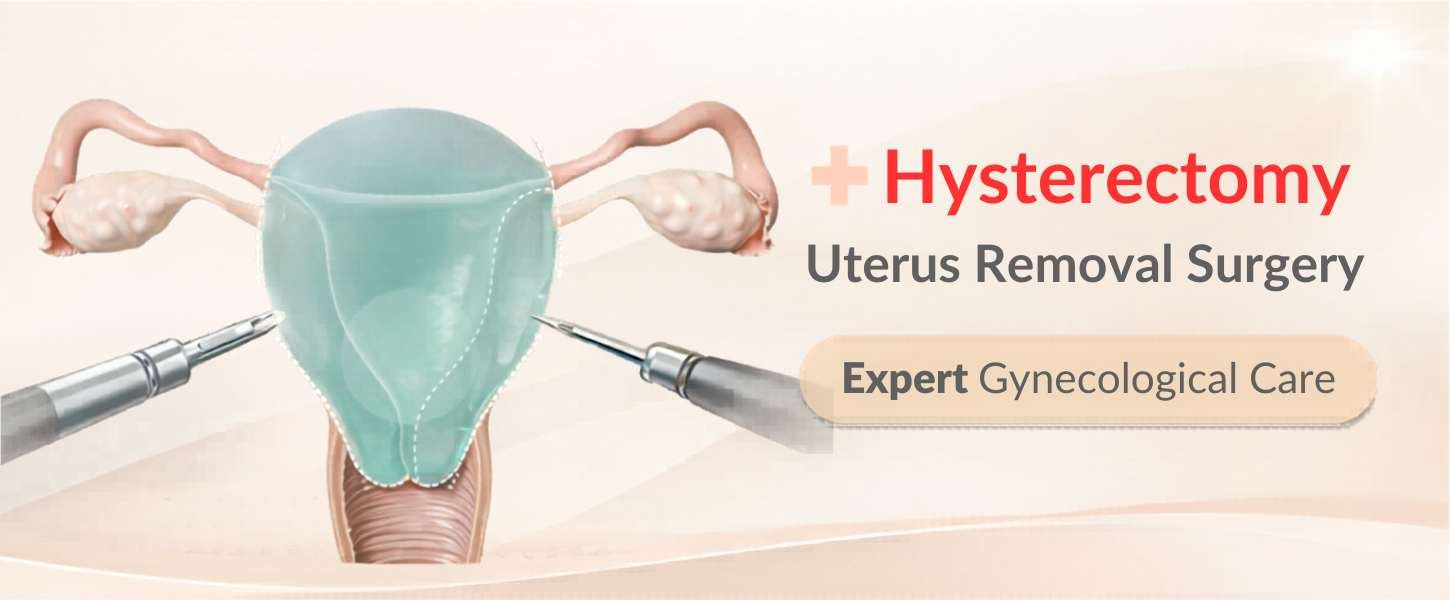
For many women a hysterectomy procedure is recommended only when other medical treatments have not provided lasting relief or when a condition requires definitive surgical care. Uterus Removal Surgery in Sector 49 Gurgaon is commonly advised for women who are experiencing severe uterine fibroids, persistent abnormal bleeding, advanced endometriosis, uterine prolapse, or certain precancerous and cancer related conditions. A hysterectomy involves removing the uterus, and depending on the diagnosis, nearby structures such as the cervix, ovaries, or fallopian tubes may also need evaluation during treatment planning.
Dr Neelima Kulshrestha, MBBS, DNB (OBS & GYNAE), is an experienced obstetrician and gynaecologist practicing in Sector 49 Gurgaon and serving as Director – Department of Obstetrics & Gynaecology at Cloudnine Hospital. Dr Neelima offers evidence based evaluation and personalised treatment planning for women who may require hysterectomy, with emphasis on selecting the least invasive and safest surgical option whenever possible.
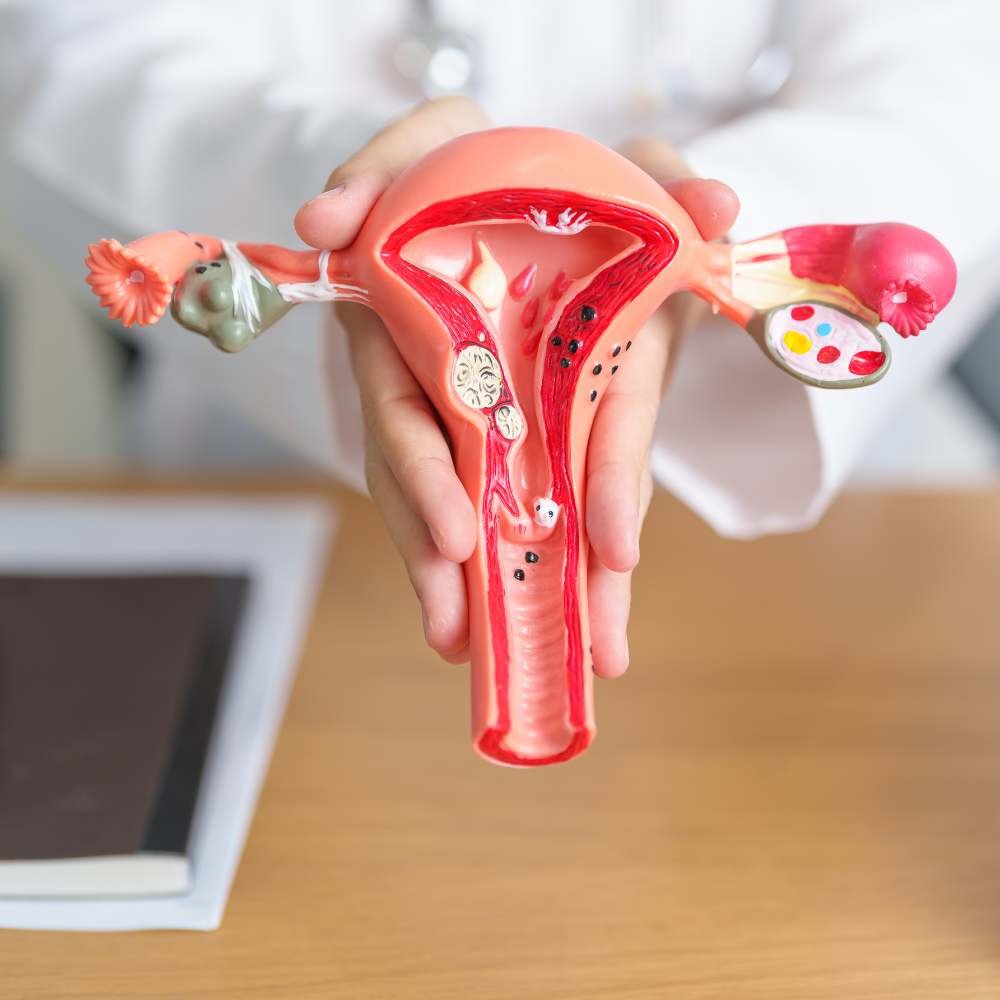
A hysterectomy is a surgical procedure in which the uterus(womb) is removed. After the surgery, menstrual periods stop permanently and a woman can no longer become pregnant. Because it is a major procedure, a hysterectomy is usually recommended only when other treatments have not been effective or when the condition is significantly affecting a woman’s health and quality of life.
Women may need hysterectomy in Sector 49 Gurgaon for certain gynecological conditions that do not respond well to medications, hormonal therapy, or less invasive procedures. In such cases, surgery may provide long-term relief and improve overall well-being.
Before recommending surgery, imaging tests, blood work, cervical screening, and clinical examination are typically performed to confirm the cause and determine whether surgery is necessary.
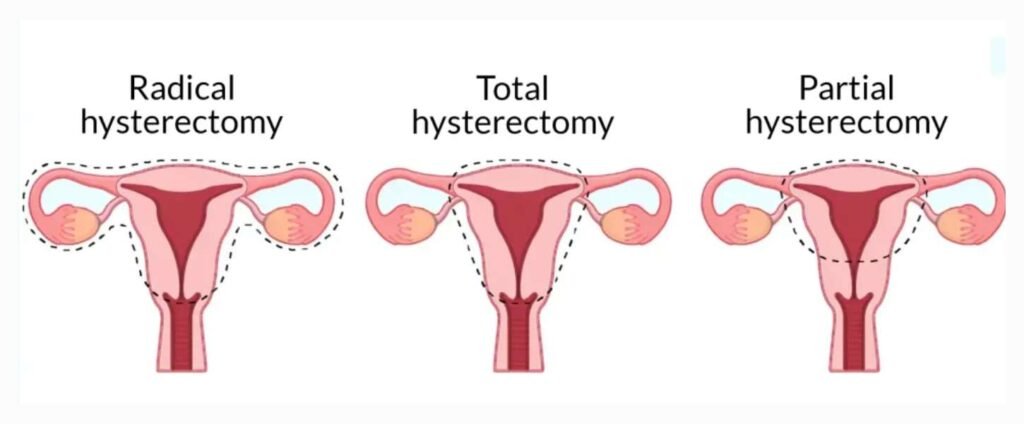
The type of hysterectomy recommended for a patient depends on several factors, including the underlying medical condition, age, severity of symptoms, and whether nearby organs are affected. Before planning uterus removal surgery in Sector 49 Gurgaon, a detailed evaluation is carried out to identify the safest and most appropriate surgical option for each patient.
A total hysterectomy is the most commonly performed form of uterus removal surgery. In this procedure, both the uterus and the cervix are removed. Surgeons often recommend this surgery for women who are dealing with conditions such as:
Removing the uterus and cervix helps eliminate the source of symptoms and permanently stops menstrual bleeding.
In a partial hysterectomy, only the upper part of the uterus is removed while the cervix is left intact. This approach may be considered in selected benign conditions where preserving the cervix is medically appropriate.
Women who undergo this type of surgery should continue with regular cervical screening, as the cervix remains in place.
A radical hysterectomy is typically recommended in certain cancer-related situations. In this procedure, the uterus, cervix, part of the upper vagina, and surrounding tissues may be removed depending on how far the disease has spread.
Because this surgery is more extensive, it is performed only after careful oncological evaluation and when it is medically necessary.
Advances in gynecological surgery now allow hysterectomy to be performed using different surgical approaches. The most suitable method depends on factors such as uterine size, previous surgeries, the patient’s overall health, and the specific diagnosis.
A laparoscopic hysterectomy is a minimally invasive procedure performed through small incisions in the abdomen using a camera-guided surgical system.
This approach is often preferred when appropriate because it can offer several benefits, including:
In a vaginal hysterectomy, the uterus is removed through the vaginal canal without making any abdominal cuts. This technique is often suitable for uterine prolapse and certain benign uterine conditions.
Because there are no external incisions, recovery can sometimes be quicker for selected patients.
In some cases, an abdominal hysterectomy may still be required. This traditional surgical method involves an incision in the abdomen and may be recommended for complex conditions, very large fibroids, or situations where a broader pelvic evaluation is needed.
Every patient’s condition is different, and the most appropriate surgical technique depends on multiple clinical factors. As a hysterectomy surgeon at Cloudnine Hospital Sector 47 Gurgaon, Dr. Neelima Kulshrestha carefully evaluates each patient’s medical history, diagnostic findings, and treatment goals before recommending a surgical plan.
Because each type of hysterectomy can be performed through different surgical methods, the final approach depends on uterine size, medical history, and overall surgical complexity.
A hysterectomy is generally advised when symptoms become persistent, severe, or medically significant.
Fibroids are non-cancerous growths in the uterus that can cause pelvic heaviness, pressure symptoms, pain, frequent urination, and prolonged menstrual bleeding. When fibroids are large or recurrent, surgery may be the most effective long-term solution.
If bleeding is severe enough to cause anemia, weakness, or repeated disruption of daily life, and conservative treatment has failed, hysterectomy may be recommended.
In advanced endometriosis, uterine removal may be considered when pain remains uncontrolled despite medication or prior surgeries.
When the uterus descends into the vaginal canal due to weakened pelvic support, surgery often becomes necessary, particularly if symptoms affect bladder, bowel, or daily movement.
In selected cases of uterine, cervical, or ovarian disease, hysterectomy may be an essential part of treatment planning.
Recovery varies depending on the surgical method and the patient’s overall health.
Hospital Stay
Recovery Timeline
Lifestyle Precautions
Patients are generally advised to:
Recovery guidance is personalised based on age, surgery type, and whether ovaries were preserved.
Choosing the right surgeon is important for both surgical safety and long-term confidence.
Dr Neelima Kulshrestha offers:
Her approach combines surgical expertise with personalised counselling so that women understand every step before treatment begins.
Not every patient with heavy bleeding or fibroids requires surgery immediately. Proper consultation helps determine whether medication, observation, minor procedures, or hysterectomy is the best path forward.
If you are experiencing persistent pelvic symptoms, abnormal bleeding, recurrent fibroids, or prolapse, timely consultation can prevent complications and improve quality of life. For women considering Uterus Removal Surgery in Sector 49 Gurgaon, detailed evaluation with an experienced specialist helps ensure the most suitable treatment plan.
Dr. Neelima Kulshrestha (MBBS, DNB – Obstetrics & Gynaecology) is a highly experienced and compassionate women’s health specialist practicing in Gurugram. She believes that every woman deserves attentive care, clear guidance, and evidence-based treatment tailored to her individual needs.
WhatsApp us