








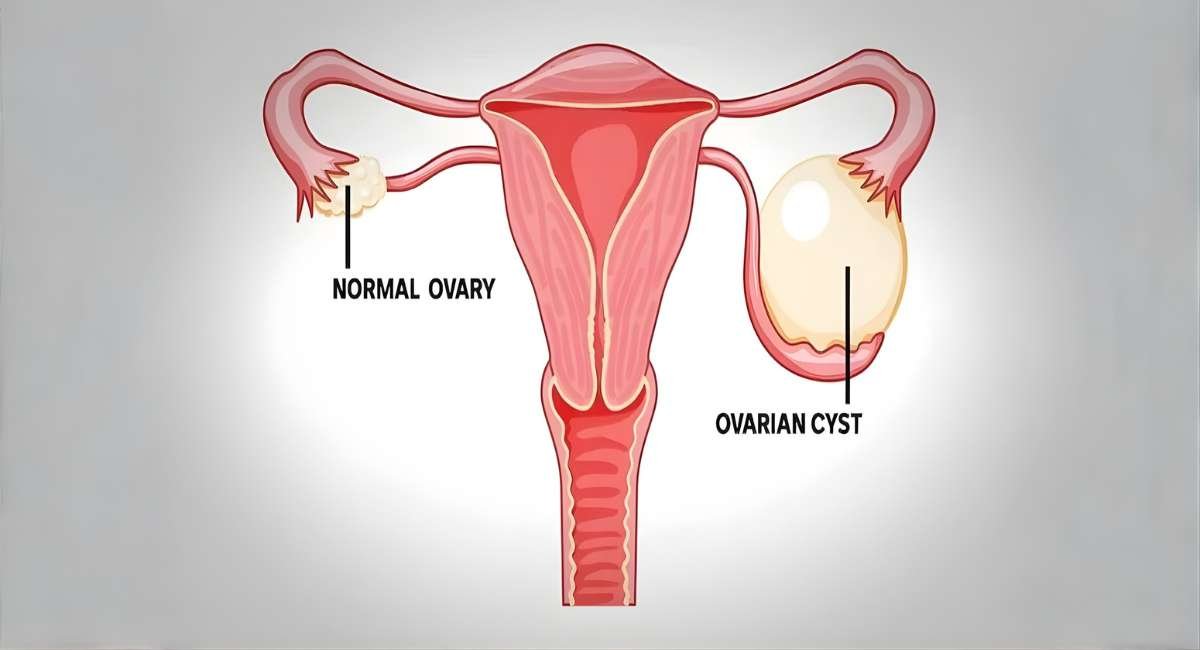
Ovarian Cysts: When Should You Worry and See a Doctor?
Many women discover they have Ovarian Cysts during a routine ultrasound and immediately feel anxious. The word “cyst” often sounds alarming-but in reality, most ovarian cysts are harmless and resolve on their own. The key is knowing which symptoms are normal and when medical attention becomes necessary.
This guide explains the types, warning signs, diagnosis, and treatment options in a clear and patient-friendly manner, so women can make informed decisions about their reproductive health.
What Exactly Are Ovarian Cysts?
Ovarian Cysts are fluid-filled sacs that develop on or inside the ovaries. They are common during the reproductive years and are often linked to the menstrual cycle.
In many cases, these cysts form as part of normal ovulation and disappear within a few weeks without treatment.
“Most ovarian cysts are functional and harmless. However, persistent pain or unusual symptoms should never be ignored,” says Dr Neelima Kulshrestha, a senior consultant associated with Cloudnine Hospital.
Types of Ovarian Cysts
Understanding the type of Ovarian Cysts helps determine the right approach:
1. Functional Cysts
These are the most common. They form during ovulation and typically resolve naturally.
2. Dermoid Cysts
Contain tissue such as hair or skin. They usually require monitoring or surgical removal if large.
3. Endometriomas
Associated with endometriosis and may cause painful periods.
4. Cystadenomas
Develop from ovarian tissue and may grow large, requiring medical evaluation.
Most cysts are benign (non-cancerous), especially in younger women.
When Are Ovarian Cysts a Cause for Concern?
While many Ovarian Cysts are asymptomatic, certain symptoms indicate the need for immediate medical evaluation.
Warning Signs Include:
- Persistent pelvic pain
- Sudden, severe abdominal pain
- Pain during intercourse
- Irregular or heavy periods
- Bloating or abdominal fullness
- Fever with pelvic pain
- Fainting or dizziness
Severe pain could indicate complications such as ovarian torsion (twisting of the ovary) or cyst rupture-both require urgent medical care.
How Are Ovarian Cysts Diagnosed?
Diagnosis typically involves:
- Detailed medical history
- Pelvic examination
- Ultrasound imaging
- Blood tests (if required)
Ultrasound helps determine the size, type, and structure of Ovarian Cysts, guiding further management.
If a cyst appears suspicious or persists beyond a few menstrual cycles, further evaluation may be advised.
Treatment Options for Ovarian Cysts
Treatment depends on age, symptoms, cyst size, and overall health.
1. Watchful Waiting
Small, simple cysts without symptoms may only require periodic ultrasound monitoring.
2. Medication
Hormonal contraceptives may be prescribed to regulate cycles and reduce the risk of new cyst formation.
3. Surgical Management
If cysts are large, painful, persistent, or suspicious, surgical removal may be necessary.
Minimally invasive surgery (laparoscopy) is often preferred. Consulting a skilled Laparoscopy Surgeon in Cloud Nine Hospital, Sector 47 Gurgaon ensures precise and safe management.
Dr Neelima Kulshrestha, known for her expertise in advanced gynecological procedures, emphasizes that most surgical interventions today are minimally invasive, offering quicker recovery and minimal scarring.
Can Ovarian Cysts Affect Fertility?
In most cases, simple Ovarian Cysts do not impact fertility. However, cysts linked to conditions like endometriosis or PCOS may affect ovulation.
Early diagnosis and timely treatment help preserve reproductive health and improve fertility outcomes when needed.
Risk Factors to Keep in Mind
Certain factors may increase the likelihood of developing Ovarian Cysts:
- Hormonal imbalance
- Pregnancy
- Endometriosis
- Severe pelvic infections
- History of previous cysts
Regular gynecological check-ups are especially important if you have a history of recurrent cysts.
When Should You See a Gynaecologist Immediately?
Seek urgent care if you experience:
- Sharp, sudden pelvic pain
- Rapid breathing or weakness
- Unexplained fever
- Severe nausea with abdominal pain
These could indicate rupture or torsion, both of which require emergency treatment.
Protecting Your Reproductive Health
Routine check-ups with a qualified gynecologist play a vital role in early detection. Women experiencing ongoing pelvic discomfort should not self-diagnose or delay consultation.
Dr Neelima Kulshrestha advises women to pay attention to persistent changes in their menstrual cycle or pelvic discomfort. Early evaluation ensures that harmless cysts are monitored properly and problematic ones are treated promptly.
Conclusion
Ovarian Cysts are common and often harmless-but awareness is essential. Knowing the warning signs, understanding your body, and seeking timely medical advice can prevent complications and provide peace of mind.
If you are experiencing symptoms or have concerns about ovarian health, consult an experienced gynecologist. Expert guidance, especially from a specialist trained in laparoscopy, ensures safe, accurate, and effective care tailored to your needs.