









Signs of Labor: When to Go to the Hospital
The final weeks of pregnancy bring excitement, anticipation-and many questions. One of the most common concerns expecting mothers have is: How will I know when labor truly begins? Understanding the Signs of Labor can help you stay calm, prepared, and confident when the big day arrives.
While every pregnancy is unique, there are clear physical signals that indicate your body is preparing for childbirth. Knowing when to head to the hospital ensures safety for both mother and baby.
Early Signs of Labor You Shouldn’t Ignore
Not every cramp means labor has started. However, certain Signs of Labor suggest that delivery may be near.
1. Lightening (Baby Drops)
You may notice easier breathing but increased pelvic pressure. This happens when the baby moves lower into the pelvis, preparing for birth. It can occur days or even weeks before active labor.
2. Increased Vaginal Discharge
A thick, jelly-like discharge (often called the mucus plug) may come out. This is one of the early Signs of Labor, as the cervix begins to soften and open.
3. Back Pain and Pelvic Pressure
Persistent lower back pain or cramping that feels different from usual pregnancy discomfort may signal early labor changes.
Signs of Labor That Mean It’s Time to Pay Attention
As labor progresses, the symptoms become more noticeable and structured.
1. Regular Contractions
True labor contractions:
- Occur at regular intervals
- Gradually become stronger
- Last longer over time
- Do not stop with rest
A simple rule many doctors suggest is the 5-1-1 rule: contractions every 5 minutes, lasting 1 minute each, for at least 1 hour.
If you are unsure, it’s always wise to consult your doctor.
“Many women mistake false labor for true labor. Tracking contraction patterns is the most reliable way to identify real labor,” says Dr Neelima Kulshrestha, regarded as the Best Gynaecologist in Cloudnine Hospital.
2. Water Breaking
If you experience a sudden gush or continuous leaking of fluid from the vagina, your amniotic sac may have ruptured. This is one of the most definite Signs of Labor. Even if contractions haven’t started, you should contact your doctor immediately.
3. Bloody Show
A pink or brown-tinged discharge indicates cervical dilation. While not always immediate labor, it is a strong indicator that delivery is approaching.
False Labor vs. True Signs of Labor
Many first-time mothers experience Braxton Hicks contractions-also known as “practice contractions.” Understanding the difference is important.
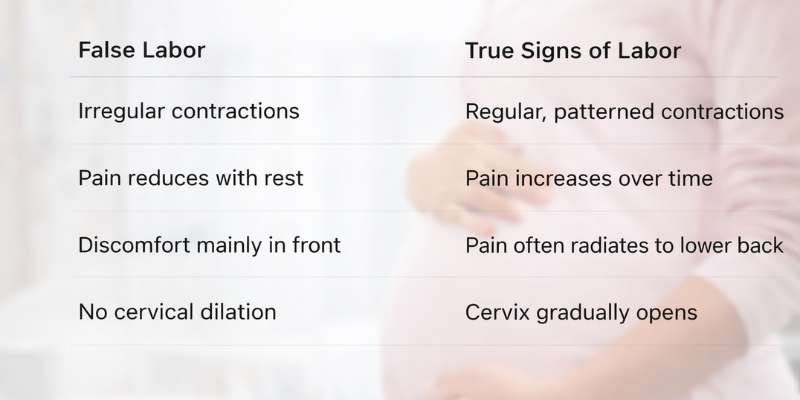
If contractions persist and intensify, it’s time to prepare for hospital admission.
When to Go to the Hospital
You should go to the hospital if:
- Contractions follow the 5-1-1 pattern
- Your water breaks
- You notice decreased baby movements
- There is heavy bleeding
- You experience severe abdominal pain
Women with high-risk pregnancies should contact their Gynaecologist in Sector 49 Gurgaon at the first sign of regular contractions.
Seeking timely care ensures continuous fetal monitoring and safe delivery planning.
Special Considerations for First-Time Mothers
First labors often progress more slowly. Early labor may last several hours. Staying hydrated, practicing breathing techniques, and resting between contractions can help conserve energy.
Dr Neelima Kulshrestha, associated with Cloudnine Hospital, emphasizes the importance of antenatal education.
“Attending prenatal classes and discussing your birth plan in advance reduces anxiety and helps mothers recognize genuine Signs of Labor,” she advises.
Emotional Preparation Matters Too
The physical Signs of Labor are only part of the journey. Emotional readiness is equally important. Feeling nervous is natural-but remember, your body is designed for childbirth.
Keep your hospital bag ready by 36–37 weeks. Include:
- Medical reports
- Comfortable clothing
- Baby essentials
- Emergency contact details
Planning ahead allows you to focus on the moment rather than logistics.
Conclusion
Recognizing the Signs of Labor helps prevent panic and ensures timely medical attention. While textbooks describe a pattern, every labor experience is unique. When in doubt, always consult your doctor.
For personalized guidance and safe maternity care, consult Dr Neelima Kulshrestha, a trusted Gynaecologist in Sector 49 Gurgaon and widely regarded as the Best Gynaecologist in Cloudnine Hospital.
With awareness, preparation, and expert support, you can approach childbirth with confidence and peace of mind.