








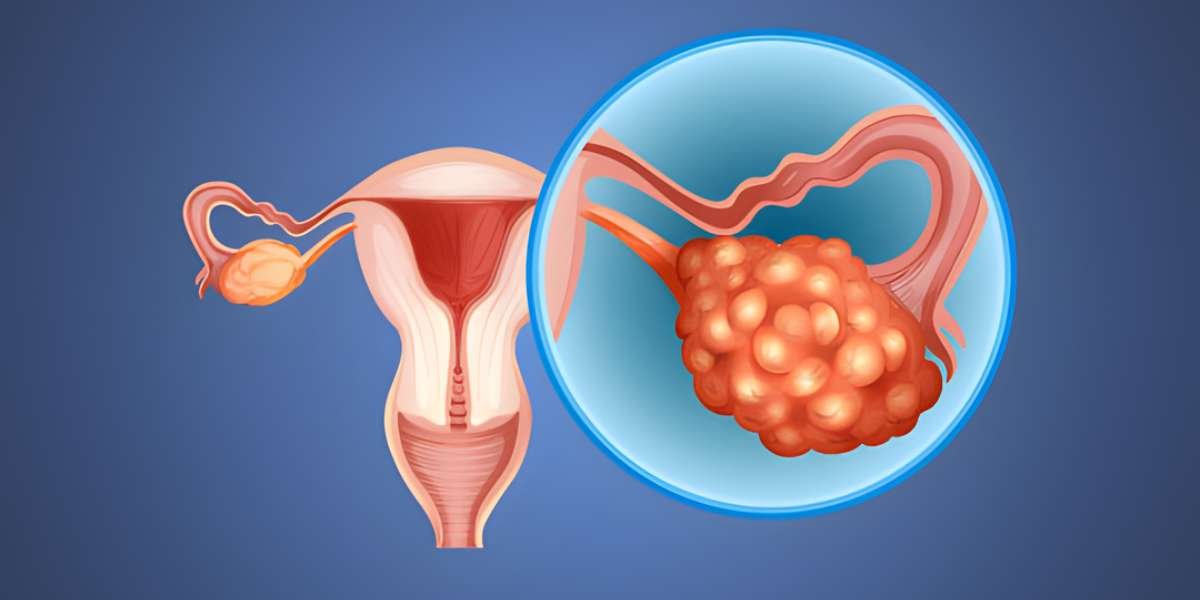
Understanding PCOS – Symptoms, Diagnosis & Treatment
Polycystic Ovary Syndrome (PCOS) is one of the most common hormonal disorders affecting women of reproductive age. Yet, it remains widely misunderstood. Many women ignore early symptoms like irregular periods or weight gain, assuming they are “normal.” Seeking timely PCOS / PCOD treatment can prevent long-term complications and significantly improve quality of life.
This guide explains the symptoms, diagnosis, and management options in a medically accurate and easy-to-understand manner.
What is PCOS?
PCOS (Polycystic Ovary Syndrome) is a hormonal condition in which the ovaries produce higher-than-normal levels of androgens (male hormones). This hormonal imbalance interferes with ovulation, leading to irregular menstrual cycles and other metabolic changes.
Although the terms PCOS and PCOD (Polycystic Ovarian Disease) are often used interchangeably, both describe similar hormonal imbalances that require proper evaluation and structured PCOS / PCOD treatment.
Common Symptoms of PCOS
Recognizing early symptoms is the first step toward effective PCOS / PCOD treatment. Symptoms can vary from mild to severe and may include:
- Irregular or missed periods
- Excess facial or body hair (hirsutism)
- Acne or oily skin
- Weight gain, especially around the abdomen
- Thinning hair or hair loss
- Difficulty conceiving
- Darkened skin patches (acanthosis nigricans)
Some women may experience mood swings, fatigue, or difficulty losing weight despite efforts.
PCOS is not just about irregular periods-it affects metabolism, fertility, and long-term health. Early diagnosis and personalized care are essential,” says Dr Neelima Kulshrestha, senior gynaecologist at Cloudnine Hospital.
Causes and Risk Factors
The exact cause of PCOS is not fully understood, but several factors contribute:
- Insulin resistance
- Genetic predisposition
- Hormonal imbalance
- Chronic low-grade inflammation
- Sedentary lifestyle
Family history plays a role, so women whose mothers or sisters have PCOS should be more vigilant.
How is PCOS Diagnosed?
There is no single test for PCOS. Doctors usually rely on the Rotterdam Criteria, which require at least two of the following:
- Irregular or absent ovulation
- Elevated androgen levels
- Polycystic ovaries visible on ultrasound
Diagnosis may include:
- Detailed medical history
- Physical examination
- Pelvic ultrasound
- Blood tests to check hormone and insulin levels
Consulting a qualified Gynaecologist in Sector 49 Gurgaon ensures proper evaluation and prevents misdiagnosis.
PCOS / PCOD Treatment Options
Treatment is individualized depending on age, symptoms, and fertility goals. Effective PCOS / PCOD treatment focuses on symptom control, hormonal balance, and prevention of complications.
1. Lifestyle Modifications
Lifestyle changes form the foundation of PCOS / PCOD treatment:
- Regular physical activity (30-45 minutes daily)
- Balanced diet rich in fiber and lean protein
- Limiting refined carbohydrates and sugary foods
- Maintaining healthy body weight
Even a 5-10% weight reduction can significantly improve menstrual regularity and insulin sensitivity.
2. Medications
Depending on symptoms, doctors may recommend:
- Hormonal contraceptives to regulate cycles
- Anti-androgen medicines to reduce excess hair growth
- Insulin-sensitizing drugs (like metformin)
- Ovulation-inducing medicines for women planning pregnancy
Medical therapy should always be supervised by an experienced specialist such as a Gynaecologist in Cloudnine Hospital, Sector 47 Gurgaon to ensure safety and effectiveness.
3. Fertility-Focused Care
PCOS is a leading cause of infertility due to irregular ovulation. However, with appropriate PCOS / PCOD treatment, most women can conceive successfully.
Options may include:
- Ovulation induction therapy
- Lifestyle optimization
- Advanced fertility treatments if required
Early intervention improves outcomes significantly.
4. Managing Long-Term Health Risks
Untreated PCOS increases the risk of:
- Type 2 diabetes
- High blood pressure
- High cholesterol
- Sleep apnea
- Endometrial hyperplasia
Regular monitoring, healthy habits, and consistent PCOS / PCOD treatment help prevent these complications.
Emotional and Mental Health Support
PCOS can affect self-esteem due to acne, weight gain, or hair changes. Anxiety and depression are also more common among women with PCOS. Emotional well-being is an important part of comprehensive PCOS / PCOD treatment.
Support groups, counseling, and open discussions with a trusted healthcare provider can make a meaningful difference.
When Should You Consult a Gynaecologist?
Seek medical advice if you experience:
- Irregular periods for more than three months
- Sudden weight gain
- Excessive hair growth or severe acne
- Difficulty conceiving
Timely consultation with Dr. Neelima Kulshrestha, Director of Cloudnine Hospital, Department of Obs & Gynae, Sector 47 Gurgaon, ensures accurate diagnosis and evidence-based management.
Conclusion
PCOS is a manageable condition-but it requires awareness, commitment, and the right medical support. Early diagnosis and structured PCOS / PCOD treatment can restore hormonal balance, improve fertility outcomes, and protect long-term health.
If you are struggling with irregular periods, weight changes, or fertility concerns, consult a qualified gynaecologist for personalized guidance. With proper care, women with PCOS can lead healthy, confident, and fulfilling lives.